
ANSI/IICRC S540 Standard defines criteria and methodology used by the technician for inspecting and investigating blood and other potentially infectious material (OPIM) contamination and for establishing work plans and procedures. The Standard describes the procedures to be followed and the precautions to be taken when performing trauma and crime scene cleanup regardless of surface, item or location. This Standard assumes that all scenes have been released by law enforcement or regulatory agencies.
Trauma and crime scene cleanup consists of the following components for which procedures are described in the ANSI/IICRC S540 Standard:
- Principles of Trauma and Crime Scene Cleanup
- Safety and Health
- Biocide and Antimicrobial Technology
- Administrative Procedures, Documentation, and Risk Management
- Inspection and Preliminary Determination
- Equipment and Tools
- Limitations, Complexities, Complications, and Conflicts
- Structural Remediation
- Vehicle and Machinery Construction
- Contents Remediation
- Containment and Disposal of Waste or Sharps
- Confirmation of Cleanliness
The revised S540 will be developed under the ANSI Essential Requirements as American National Standards. To apply to serve on this consensus body, visit www.iicrc.org/SANSIIICRCS540.
June 16, 2020
Topic Area: Press Release
Recent Posts
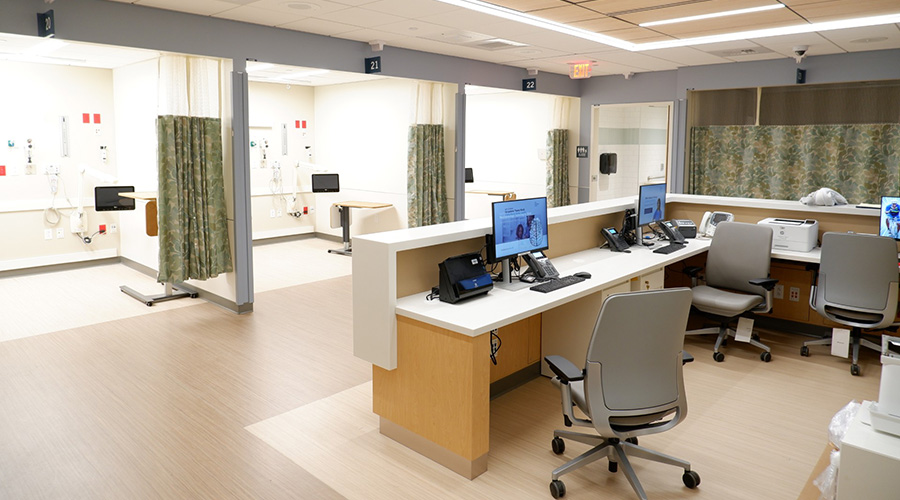 Building Around Care: Lessons in Modernizing Active Healthcare Environments
The challenge is how to modernize a healthcare facility while patients continue receiving care and physicians, nurses and staff continue providing it.
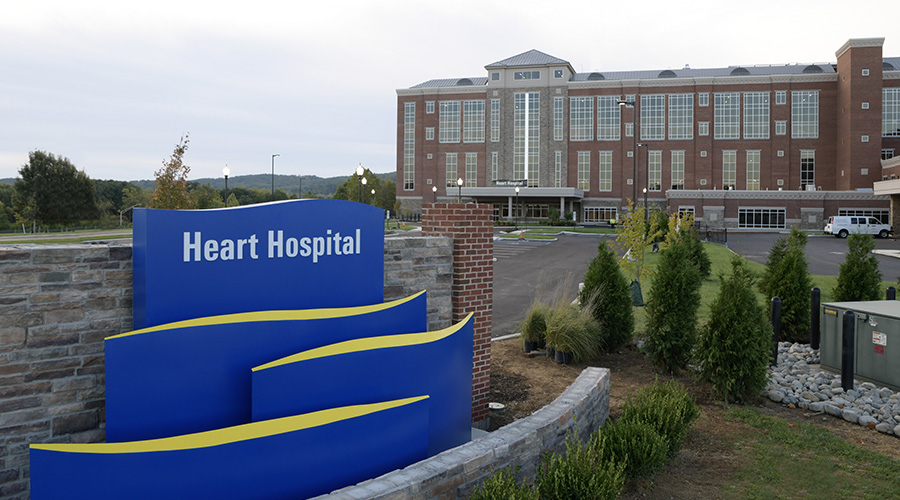 St. Luke's Heart Hospital Opens at Anderson Campus in Pennsylvania
The five-story, approximately 355,000-square-foot facility is seamlessly integrated into St. Luke's Anderson Campus.
 WindRose Health Network Ensnared in Vendor Data Breach
The incident involved a previously undisclosed vulnerability in a remote-management tool that is used by one of its vendors.
 How Efficiency Checklists Help Hospitals Save Energy, Water and Money
Keith Edgerton explains how a simple, systematic tool can help healthcare facilities identify savings, support sustainability goals and reinvest in long-term decarbonization.
 Intermountain Healthcare Receives $50M Gift for Standalone Children's Hospital
To honor the family's gift, Intermountain Health will name the inpatient tower the Larry & Heidi Canarelli Inpatient Tower.