
The COVID-19 pandemic prompted managers to rethink many aspects of healthcare facilities, from the layout of entryways to the operation and efficiency of HVAC systems, all with the goal of preventing the spread of disease. For some, revisiting the events of the last year in healthcare facilities to help prevent the spread of infection takes on a broader scope.
Researchers are seeking to better understand the relationship between hospitals and communities in infection transmission with the goal of improving the resilience of healthcare systems, according to WSU Insider.
Emerging disease outbreaks, whether the COVID-19 pandemic or the SARS epidemic, follow a different pattern than normal hospital infections. Normally, healthcare-associated infections only threaten patients. But in an emerging epidemic, healthcare workers are also at risk. So early, big transmission events often take place in healthcare settings. The researchers will study how the interaction between facilities and the community affects the spread of infectious diseases.
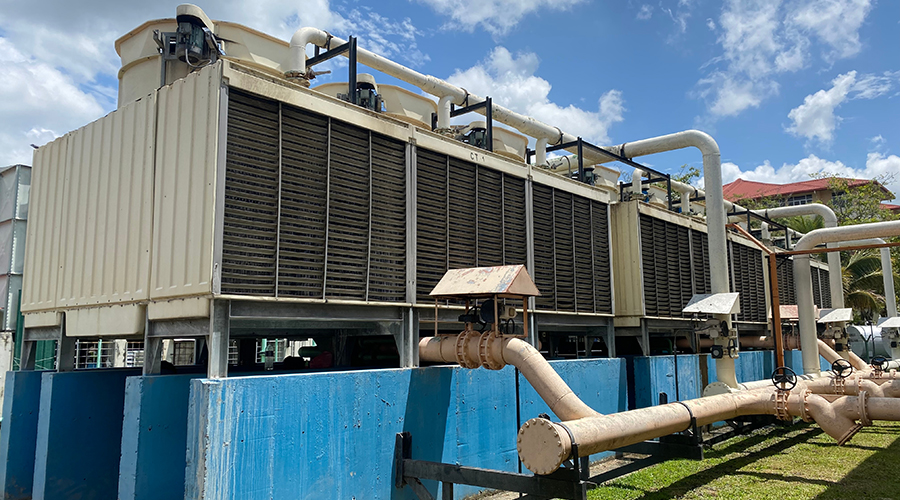 Cooling Towers at NYC Health + Hospitals/Lincoln Test Positive for Legionella
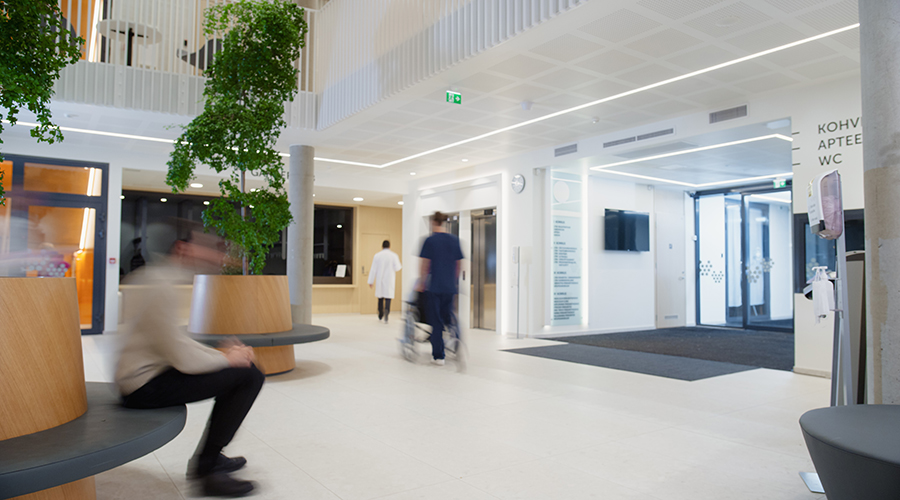 Prefabricated Wall Panels Accelerate UCF Lake Nona Medical Center Construction
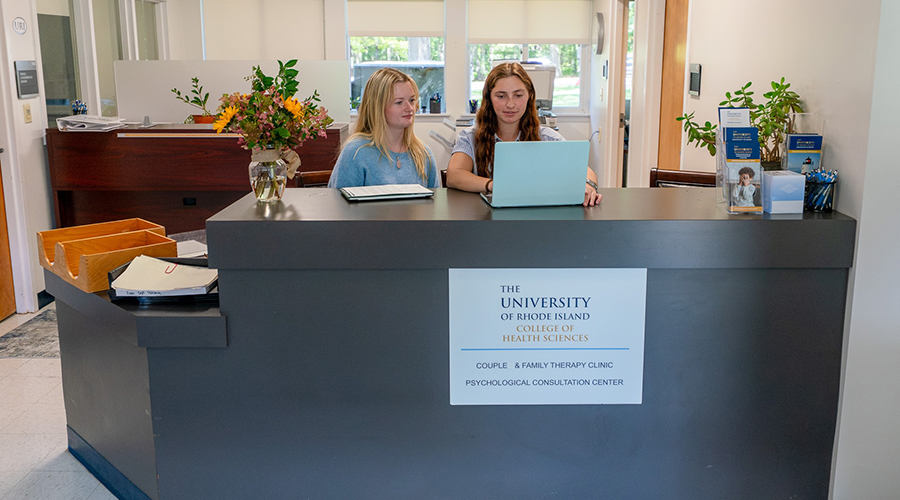 University of Rhode Island Adds Clinical Space
 How Retail Design Principles Can Improve Healthcare Wayfinding
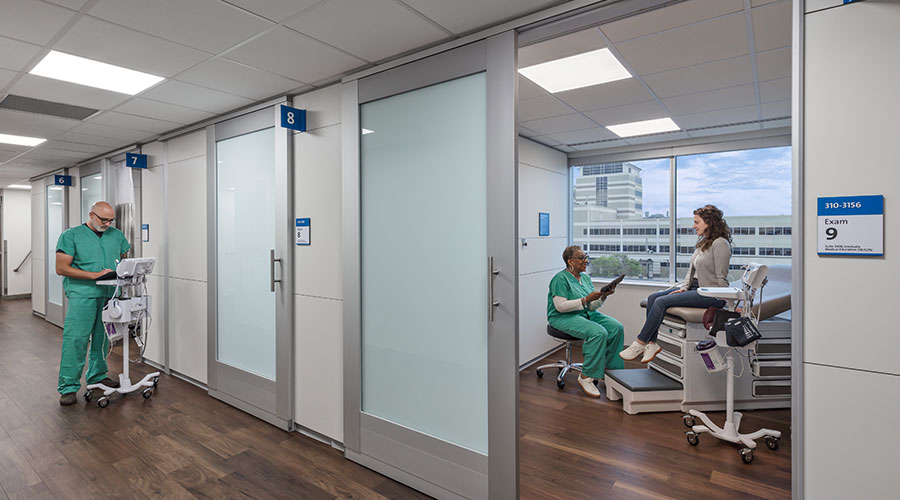 Flexible Design Strategies Help OhioHealth Maximize Clinical Space