A new life safety system based around Kentec’s Syncro fire alarm control panel technology has been installed at a new biology laboratory facility – part of the Babraham Research Campus Cambridge, considered to be the UK’s leading campus that supports early-stage bioscience enterprise.
The more integrated research environment provided by the new buildings will bring the Institute’s computational biologists into closer proximity with the established programmes developing bioscience therapies and technologies to treat human disease.
The open protocol system, supplied and installed by Leader Systems, was designed around a six-loop Kentec Syncro AS analogue addressable fire control panel incorporating approximately 400 addressable devices and 250 loop driven sounders, to provide a complete building system solution with flexible cause and effect capabilities.
Kentec’s flagship ‘open protocol’ Syncro series, recognised as one of the most powerful systems of its type on the market today, guarantees the very highest standards of performance, safety and reliability that such a leading edge research facility demands.
For product information Kentec, visit www.kentec.co.uk.

Kentec Protects Top Cambridge Biolab Facility
October 10, 2016
Topic Area: Press Release
Recent Posts
 Harris Health to Build New Freestanding Cancer Center
The center is planned to open in 2029, following the opening of the new O'Quinn Hospital along the North Loop at Lockwood.
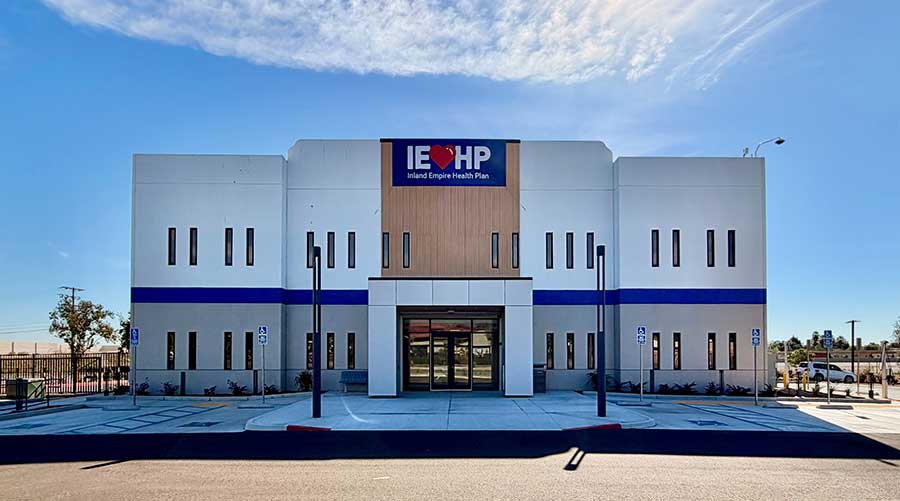 Inland Empire Health Plan Opens Expanded San Bernardino Community Wellness Center
The new 33,000-square-foot center is nearly three times the size of the original location off Second Street.
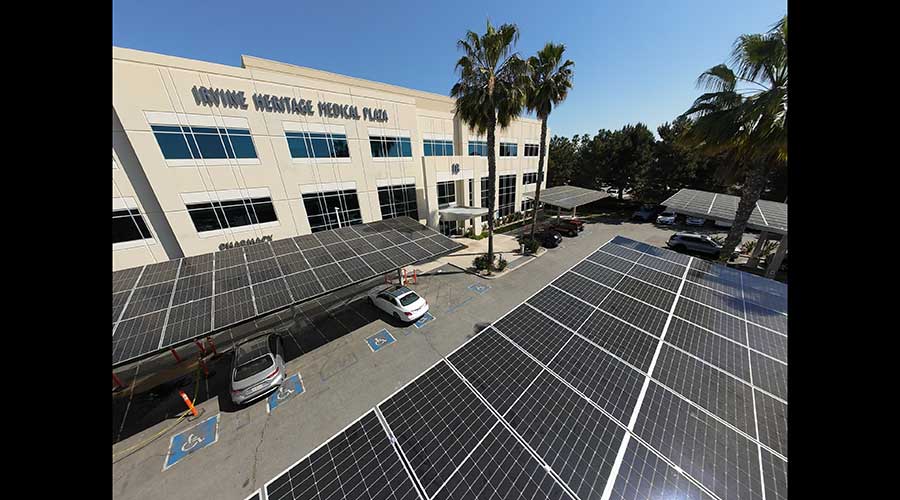 Rethinking Parking Lot Design at Irvine Heritage Medical Plaza
A new solar installation shows how healthcare facilities can improve parking amenities while boosting energy savings
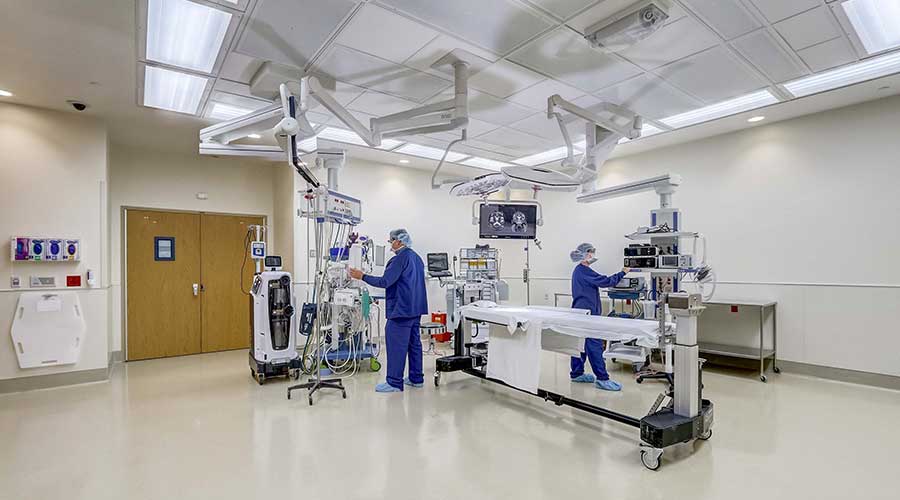 Repurposing Healthcare Spaces: 5 Critical Questions
Done well, converting existing spaces can trim upfront project costs by up to 40 percent, compared with ground-up construction
 Disinfectant Contact Time: The Case for Biofilm Disruption
Contact time, while essential for compliance, does not reliably predict microbial reduction on actual healthcare surfaces.