
In a recent Q&A on the FacilityCare website, consultant Brad Keyes answered a question about the process CMS uses to adopt a new edition of the Life Safety Code.
Q: How often does the Center for Medicare & Medicaid Services (CMS) adopt newer versions of the NFPA 101 Life Safety Code (LSC)? It seems to me that modifications made in more recent versions of code are meant to either clarify questionable data, improve or expand safety requirements, or add items that have not been previously addressed (invention, innovation, materials, etc.). I would think the most recent version of any code is the most relevant. Fifteen years between adopted versions seems a little out of whack.
A: CMS first adopted the 1967 edition of the LSC in 1970. Then it adopted the 1985 edition in 1988. Then it adopted the 2000 edition in 2003. Now it is on the cusp of adopting the 2012 edition. So that means there have been the following numbers of years between adopting a newer edition of the LSC: 18 years, 15 years and 12 years.
 Harris Health to Build New Freestanding Cancer Center
 Inland Empire Health Plan Opens Expanded San Bernardino Community Wellness Center
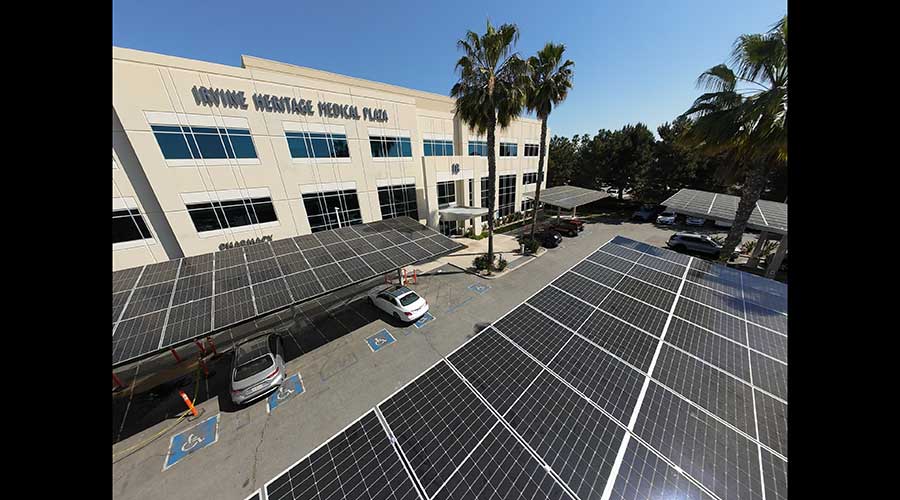 Rethinking Parking Lot Design at Irvine Heritage Medical Plaza
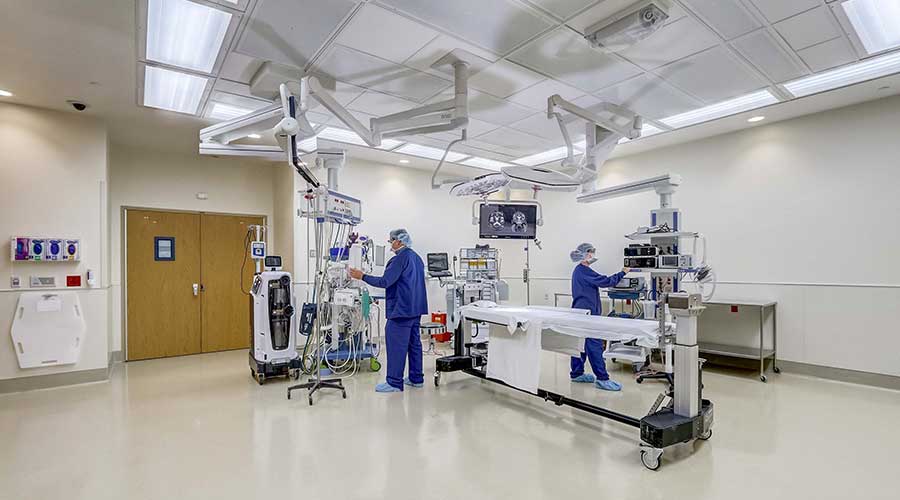 Repurposing Healthcare Spaces: 5 Critical Questions
 Disinfectant Contact Time: The Case for Biofilm Disruption