
Q: What are the time frames for repairing life safety deficiencies found during routine inspections? How much time would be allowed to repair emergency exit signs, or failed smoke detectors?
A: Whatever is reasonable… Most AHJs will work with you on this, as long as the time-frame is reasonable. If all you need to do is install four new ‘Exit’ signs, then a month or so is reasonable. But a year would not be considered reasonable.
A failed smoke detector should not take more than a month or so, unless it is such a special item that delivery time is excessive. While I’ve never seen a set time-limit for life safety repairs, all of the AHJs I’ve worked with are willing to work with you. If you need extra time due to extenuating circumstances, they will be understanding. You may have to fill out some paperwork to have extra time, but that’s part of the business.
Brad Keyes, CHSP, is the owner of KEYES Life Safety Compliance, and his expertise is in the management of the Life Safety Program, including the Environment of Care and Emergency Management programs.
 Extreme Weather: The Maintenance-Resilience Link
 Encompass Health Lower Providence Opens in Pennsylvania
 Intermountain Health Acquires Fairbourne Building for Healthcare Hub and Medical Campus Conversion
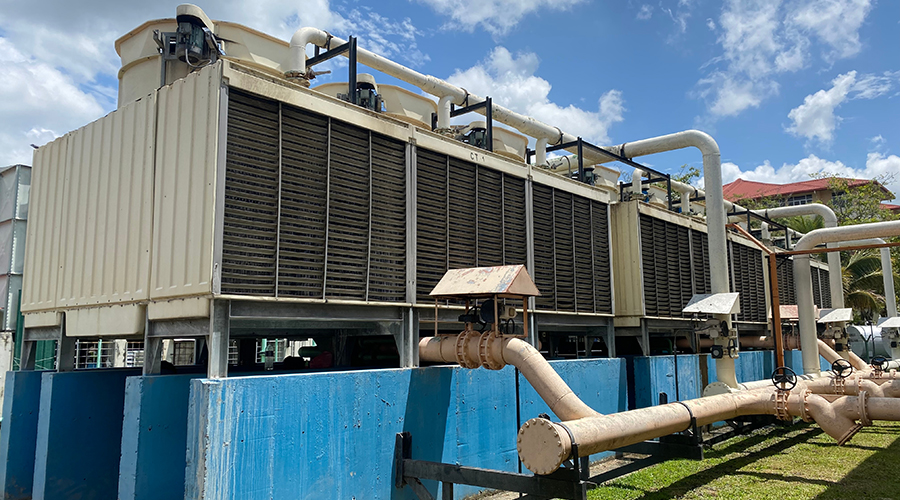 Cooling Towers at NYC Health + Hospitals/Lincoln Test Positive for Legionella
 Prefabricated Wall Panels Accelerate UCF Lake Nona Medical Center Construction