
For healthcare services, emergency power systems are required to be configured for support of critical areas, support systems., communications systems, elevators, egress lighting and refrigeration, according to an article on the McKnight's website.
The National Fire Prevention Association specific emergency power requirements used to be based on how a facility was classified. Now requirements are based on the services the facility provides.
For instance, if surgery isn't performed on at a facility, it probably don't have to meet the more stringent requirements.
On the other hand, if a facility needs to refrigerate medications and run HVAC systems during an extended blackout, it needs the capacity to supply emergency power.
 Creating Healthcare Campus Master Plans That Allow Movement and Respite
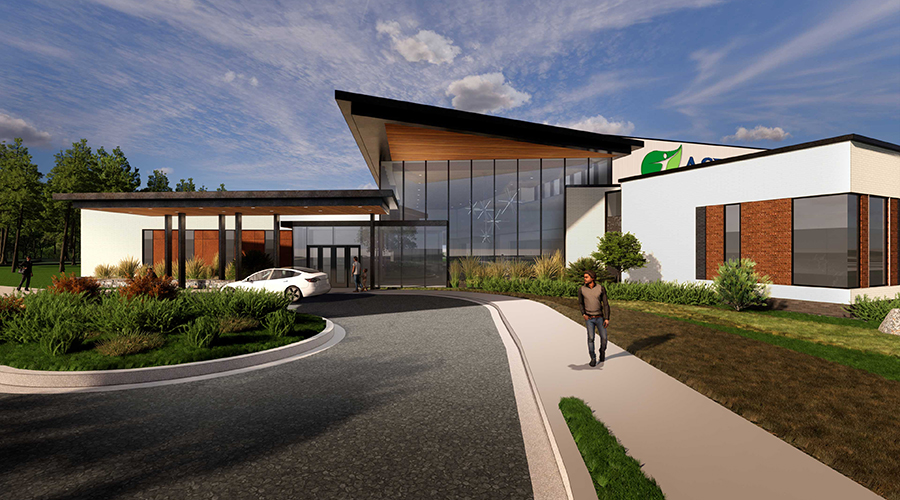 Aspirus Health Celebrates Opening of Chippewa Falls Hospital and Clinic
 AdventHealth to Open Aurora Highlands Medical Campus
 The Future of Healthcare Facility Construction Projects
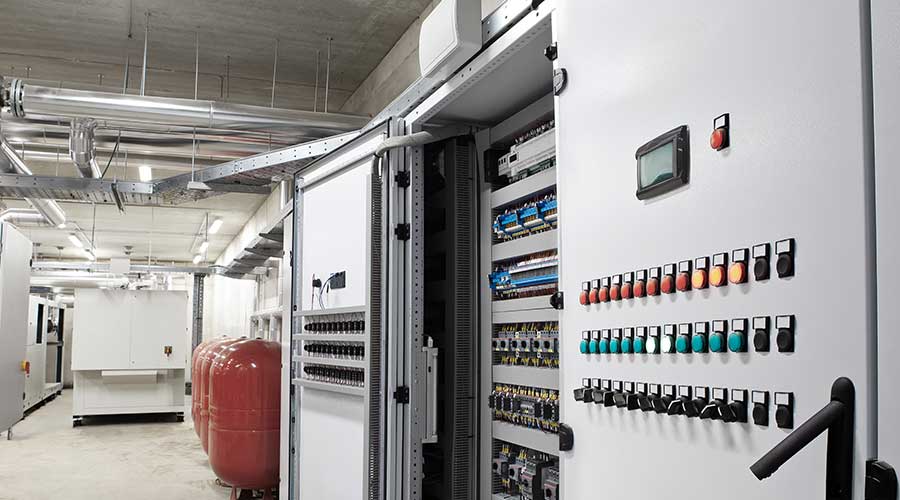 Arnprior Regional Health Upgrades Building Controls to Improve IEQ