
Healthcare facility managers have long known what much of the general public is realizing for the first time – the backbone of hospitals and nursing homes is made up of the maintenance, operations and housekeeping staff who often work out of sight. As doctors and nurses receive accolades for their front-line work during the COVID-19 pandemic – and justifiably so – a generally invisible workforce performs critical tasks that keep facilities operating efficiently and safely. They also do so at great risk in many cases.
There’s been a lot of talk since the start of the pandemic about the critical role essential workers play in keeping the country afloat. People clap, or they used to, for health care workers, a small way to acknowledge the sacrifice and risk involved in the work of keeping people alive. But the public health crisis has also exposed the inequities that are ingrained within the nation’s health system — not just in how people access care but how different workers are treated inside that system, according to The New Republic.
Much attention has been paid to the plight of nurses and doctors, but the workforce that is primarily responsible for cleaning and maintaining hospitals has been made largely invisible, despite the vital role it serves in ensuring the hospital’s safety. And with COVID-19 rates surging, an underpaid and undervalued workforce will harm employee morale and damage workers’ ability to do their jobs.
Click here to read the article.
 Extreme Weather: The Maintenance-Resilience Link
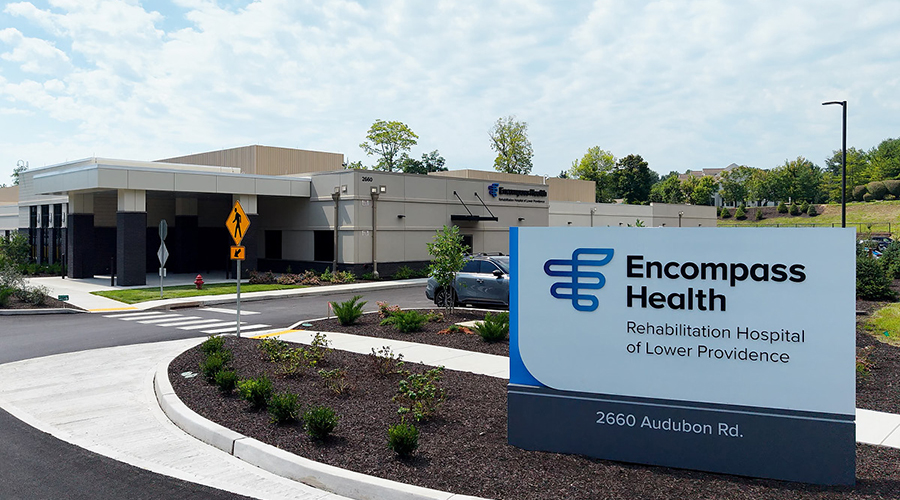 Encompass Health Lower Providence Opens in Pennsylvania
 Intermountain Health Acquires Fairbourne Building for Healthcare Hub and Medical Campus Conversion
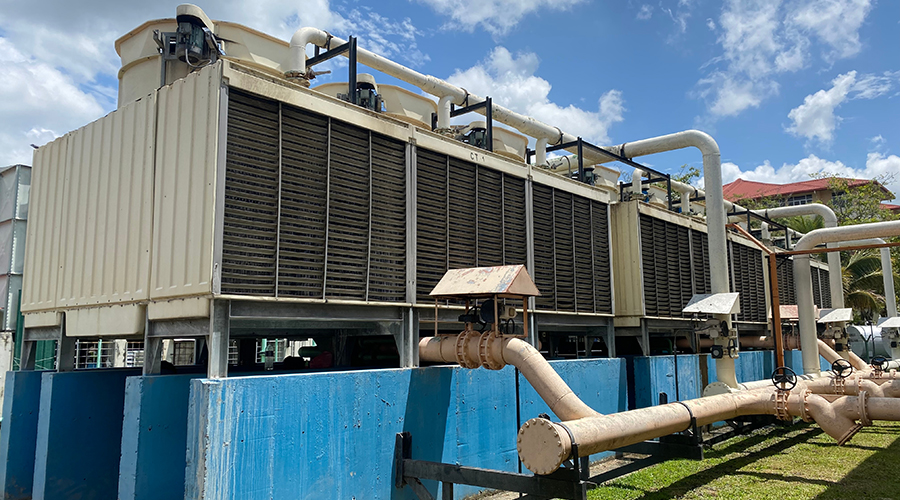 Cooling Towers at NYC Health + Hospitals/Lincoln Test Positive for Legionella
 Prefabricated Wall Panels Accelerate UCF Lake Nona Medical Center Construction