There are now more than 40,000 health apps that exist across multiple platforms. Many of them are simply things like calorie counters or workout logs, but about half are related to the healthcare profession, a disease state, or specialty, according to blog by Sara Marberry on the Healthcare Design magazine website.
"Soon, my physician may be giving me a smart phone physical, accessing data about my blood pressure or cholesterol, and prescribing apps—all remotely. He’ll probably be diagnosing conditions, as well," Marberry wrote.
Will the physician go the way of the bank teller, travel agent, or grocery store checker? Marberry doesn’t think so. But she thinks it’s highly likely that patients will make fewer in-office appointments.
Someday, there might not be a need for a receptionist in the doctor’s office, the blog said. Or doctors may have timeshare suites in clinics that they can use when they need to see patients. This is already happening in some markets.
Mobile technology will also impact wayfinding in hospitals, Marberry said.
"Many of us use our smart phones to find our way to places we’ve never been to before, like restaurants or a business colleague’s office. Why wouldn’t we use it to find Radiology in a complex medical center?"
Read the blog.
 Harris Health to Build New Freestanding Cancer Center
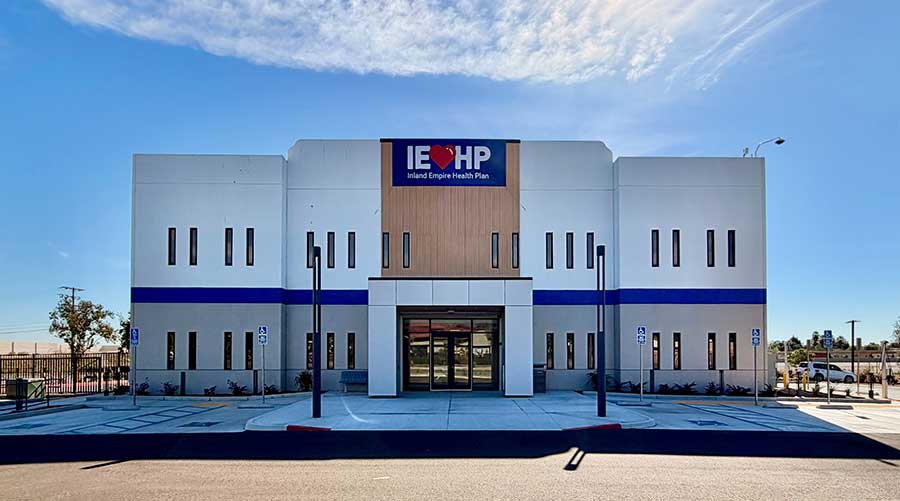 Inland Empire Health Plan Opens Expanded San Bernardino Community Wellness Center
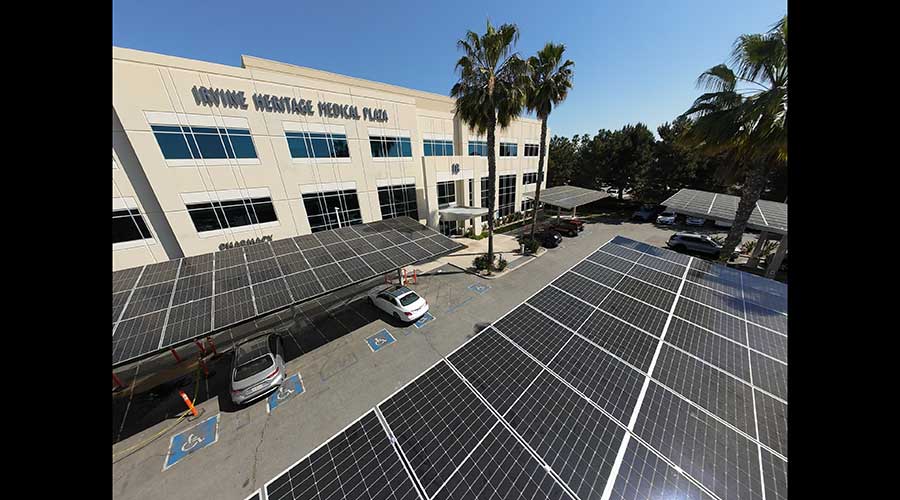 Rethinking Parking Lot Design at Irvine Heritage Medical Plaza
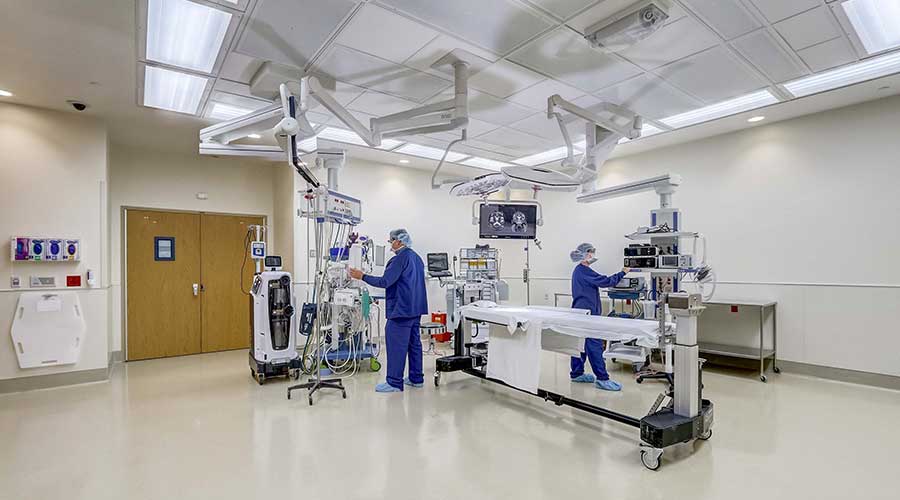 Repurposing Healthcare Spaces: 5 Critical Questions
 Disinfectant Contact Time: The Case for Biofilm Disruption