According to a report that says that combined heat and power (CHP) provides the biggest energy saving opportunity, the NHS could save £26.4 million annually with CHP, according to an article on the Blue and Green Tomorrow website.
The report, published by the Sustainable Development Unit (SDU) for NHS England and Public Health England, analyzes 35 proven measures that it says could achieve a total £400m of cost savings and reduce carbon emissions by 1 million tonnes every year by 2020.
Of the 18 energy saving measures covered in the report, CHP provides the highest annual potential cost savings (£26.4m), followed by staff energy awareness and behaviour change (£21.5m); high efficiency lighting (£7.2m); and reducing temperature set points by 1 degree celsius (£6.2m).
The SDU states that CHP also has the potential to cut carbon dioxide emissions by 3,750 tons per year, which equates to the environmental benefit of removing 1,250 cars from the road or the carbon dioxide that would be offset by a 3,550 acres of forest (more than three times the size of Sherwood Forest).
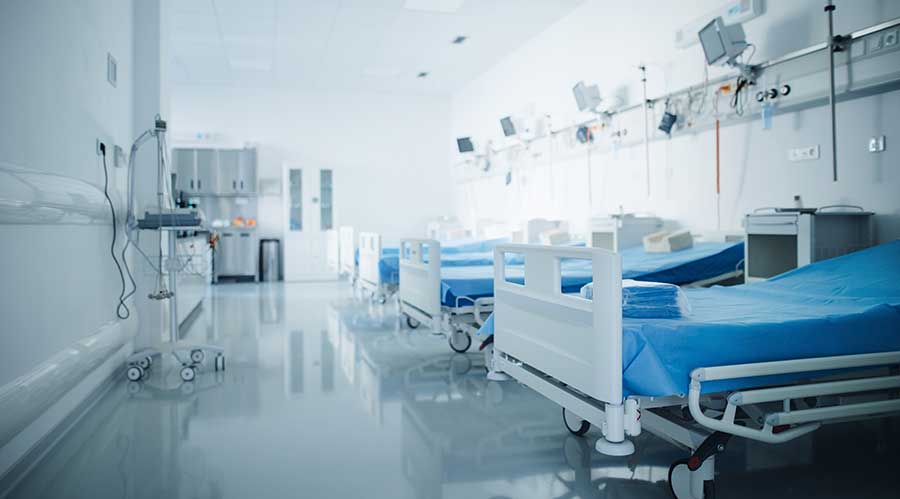 Harris Health to Build New Freestanding Cancer Center
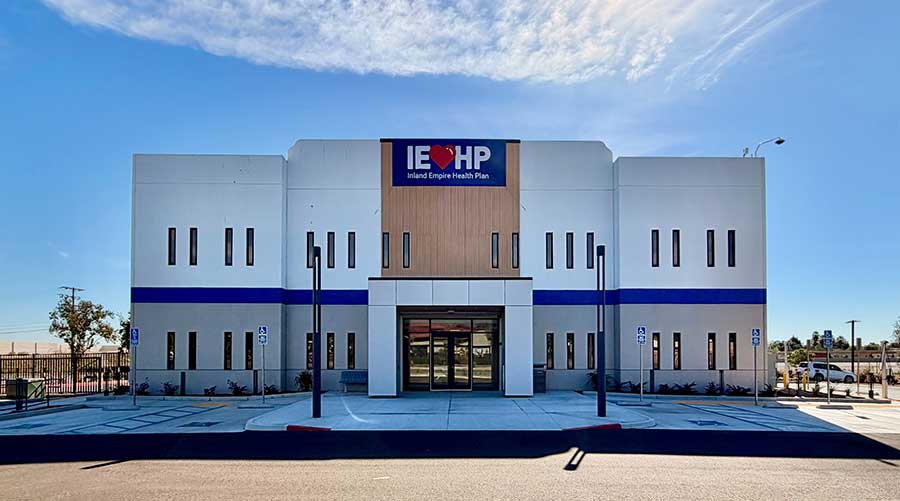 Inland Empire Health Plan Opens Expanded San Bernardino Community Wellness Center
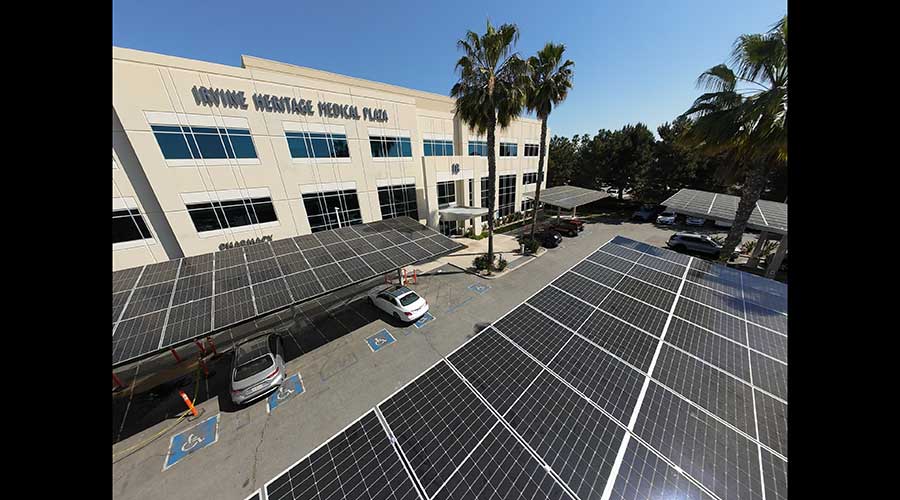 Rethinking Parking Lot Design at Irvine Heritage Medical Plaza
 Repurposing Healthcare Spaces: 5 Critical Questions
 Disinfectant Contact Time: The Case for Biofilm Disruption