
Resilience among institutional and commercial facilities has become a top priority in recent years as climate change has unleashed more and more destructive hurricanes and wildfires on communities across the country. For healthcare facility managers, the ability to ensure facilities can withstand and return to operations quickly after a crisis will challenge their ability to plan, communicate and allocate resources.
Consider the lengths that Baptist Health South Florida has gone to in constructing its new Fishermen’s Community Hospital in Marathon. Because of the powerful hurricanes that impact the Middle Keys, the new hospital sits at a higher elevation and features an impact-resistant design, with a strong core of durable tilt-wall concrete, according to Medical Construction & Design. Removable flood barriers are also a part of the design to keep storm surge out of the building.
The two-story, 37,330-square-foot facility includes nine emergency treatment rooms, eight patient rooms, three chemo treatment rooms and replaces the hospital destroyed during Hurricane Irma in 2017. Fishermen’s Community Hospital is open 24 hours a day, seven days a week with emergency care, intensive care and rehabilitation and laboratory services. It offers surgical services, endoscopy, oncology care, imaging, biotherapy and hydration and transfusion care.
 Cyberattack Results in Patient Reroutes at Anne Arundel Medical Center
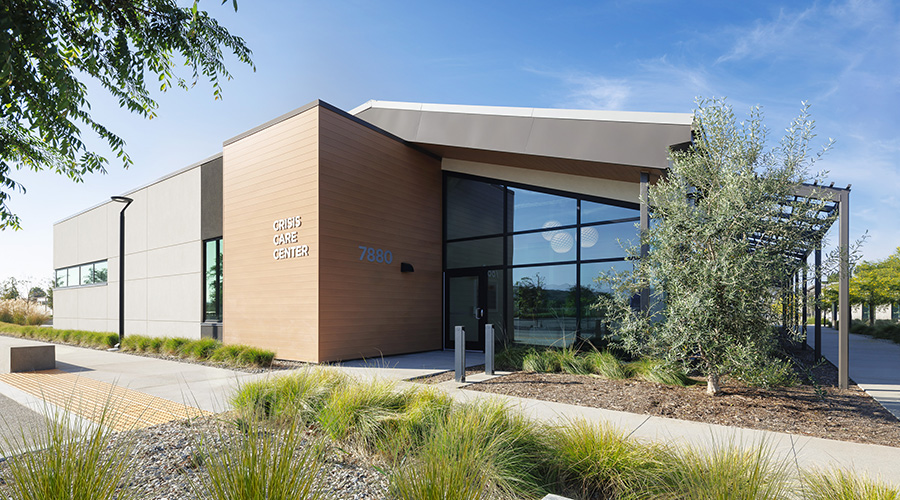 Tangram Furnishes Be Well OC Irvine Behavioral Health Campus
 Suntree Internal Medicine Reports Data Breach
 Why Healthcare Facilities Management Is Critical to Patient Safety
  Sanford Health and North Memorial Health Finalize Partnership