The full impact of COVID-19 has yet to be felt in hospitals and other healthcare facilities. Most continue to reel from the ongoing waves of patients and have yet to fully assess the way the pandemic will affect interior spaces beyond immediate patient-care areas. Consider the opportunities available to redesign and renovate office spaces in these facilities to meet the updated demands of occupants and visitors.
While ICUs are once again seeing surges of patients, not all spaces inside hospitals are being used effectively. Roughly one-third of academic medical centers is dedicated to non-clinical hospital workspace. By rethinking administrative space, hospitals can elevate the workplace experience and free space for new and more productive uses. Forbes offers three steps hospitals can take to analyze and then efficiently utilize administrative space.
For example, to create more productive and effective workplaces, hospitals need to better understand the way occupants use existing workspaces. Space utilization studies, employing smart occupancy sensors and staff preference surveys can help determine how frequently each space is occupied and why. This gives valuable information that can help identify underutilized and high usage spaces and create a data-driven foundation for decision-making.
Click here to read the article.
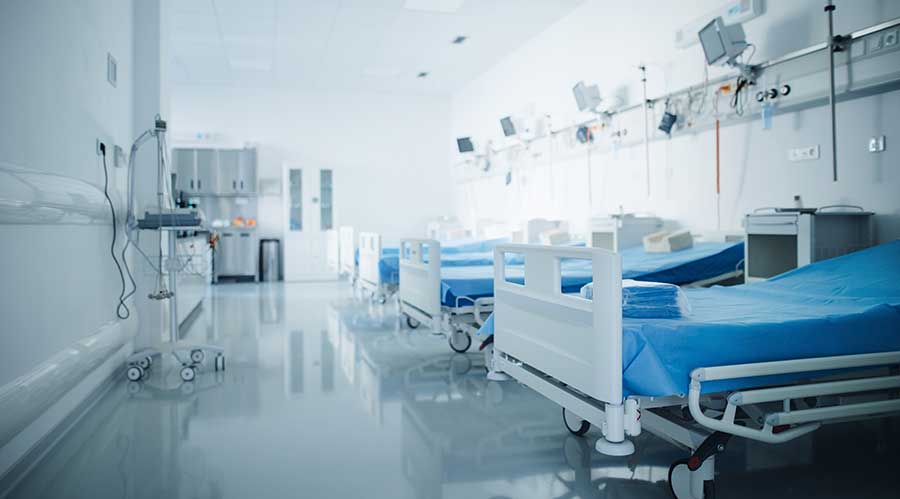 Harris Health to Build New Freestanding Cancer Center
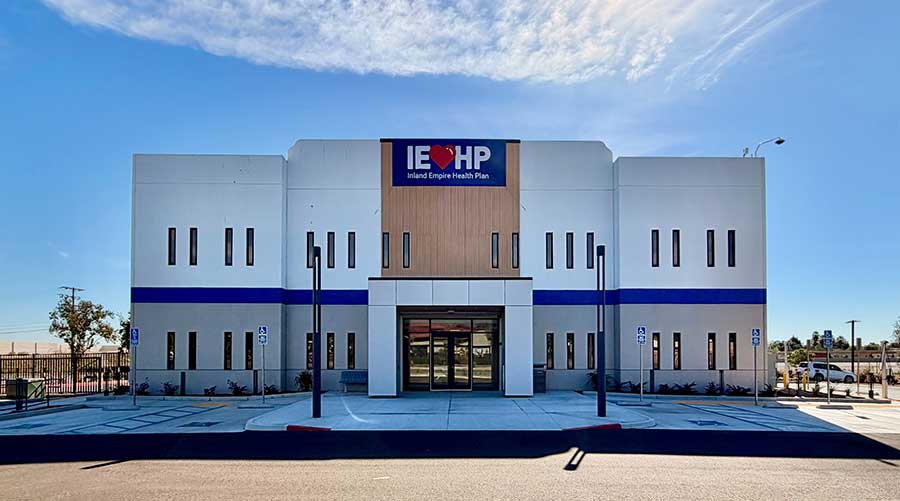 Inland Empire Health Plan Opens Expanded San Bernardino Community Wellness Center
 Rethinking Parking Lot Design at Irvine Heritage Medical Plaza
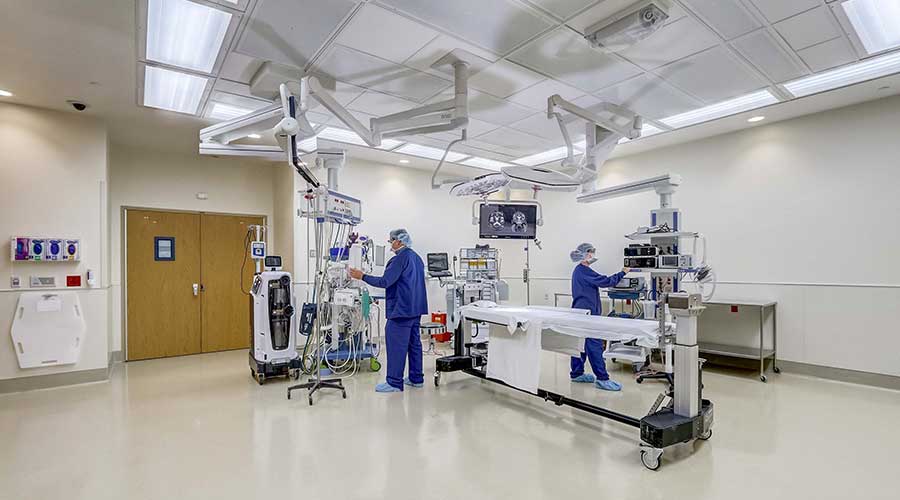 Repurposing Healthcare Spaces: 5 Critical Questions
 Disinfectant Contact Time: The Case for Biofilm Disruption