
Healthcare facilities continue to increase their efforts to prevent healthcare-associated infections (HAI) not only for the good of the patients, but also for the financial implications for the hospitals.
According to Housekeeping Solutions magazine, the economic burden of HAIs on hospitals continues to grow, in part, because Medicaid and Medicare no longer cover expenses related to these infections.
The other part of the picture is the National Healthcare Safety Network now requires all HAIs be reported to the CDC, which makes infection reports available to the public. Some fear this reporting requirement will hurt hospitals if consumers use the information to seek treatment at another location.
But Housekeeping Solutions reports some environmental services directors disagree. Babette Beene, environmental services manager, University of Texas MD Anderson Cancer Center in Houston tells HS: “HAI records won’t have a negative impact on hospitals, if they’re doing what they’re supposed to be doing. In fact, I think it’s a good thing because people are aware of the safety measures hospitals are taking, and that keeps hospitals more accountable.”
 Elevating EVS Professionals: The Case for Certified Hygiene Specialists
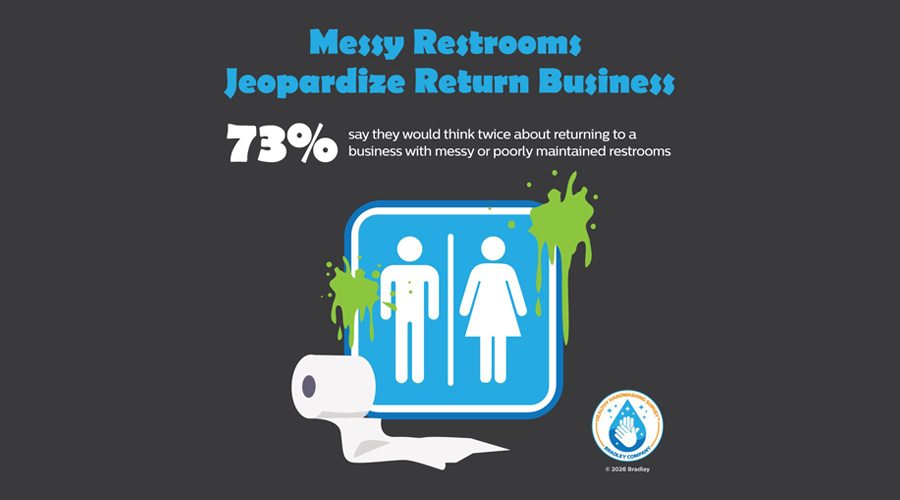 Global Handwashing Day and the Importance of Well-Maintained Restrooms
 Duke Health and CaroMont Health Partner to Develop Two New Hospitals
 Designing for the Psychology of Waiting
 UT Health Sciences Breaks Ground on College of Medicine Interdisciplinary Building