
The risk of losing grid power as a result of natural disasters and grid failures is increasing and requiring hospitals to consider new ways to support the long-term resiliency and sustainability of their campuses. Adding to the difficulty is the continued pressure to reduce costs to keep the hospital financially viable, according to an article on the Health Facilities Management website.
A business-planning approach to energy resiliency may create the financial resources to install the needed equipment. For instance, emergency generators are not reimbursed by Medicare and can be a substantial cost.
Yet, by using a standardized design and taking advantage of group purchasing leverage, hospitals can substantially reduce equipment, engineering and installation costs. Furthermore, using generators for commercial purposes, including load shedding and demand response, can provide income to offset the cost of installation and maintenance.
Business planning for resiliency reaps cost benefits, environmental benefits and social benefits. Consequently, hospitals will need to adopt financial methods of analysis to begin to view campus-power generation as a worthy investment, create compelling business plans for obtaining financial incentives, and source the know-how, funds and equipment assets needed to ensure the facility’s long-term resiliency.
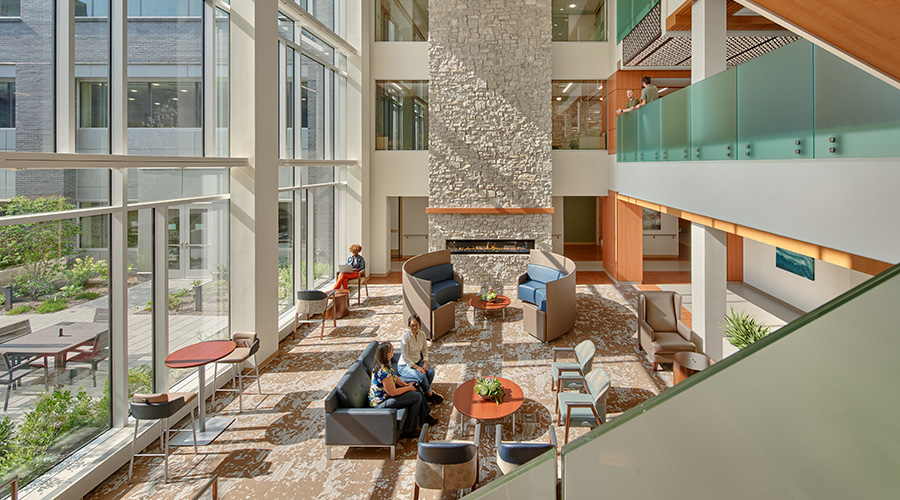 Designing for the Psychology of Waiting
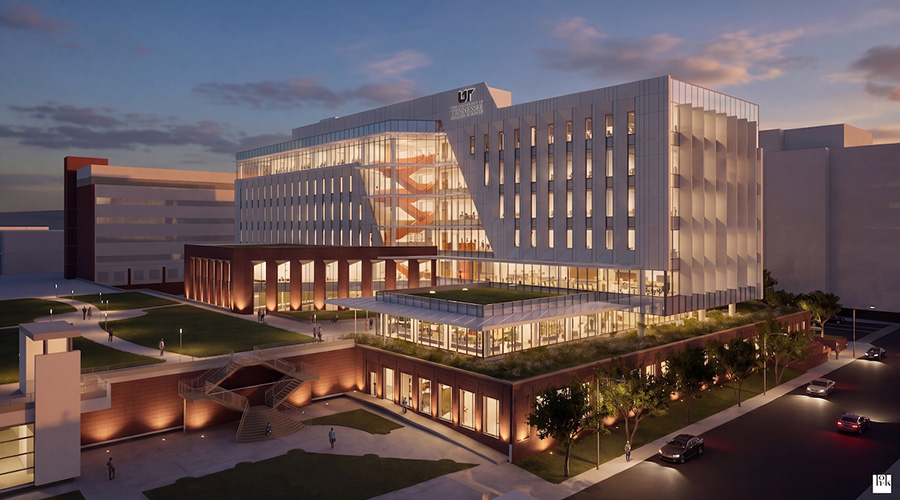 UT Health Sciences Breaks Ground on College of Medicine Interdisciplinary Building
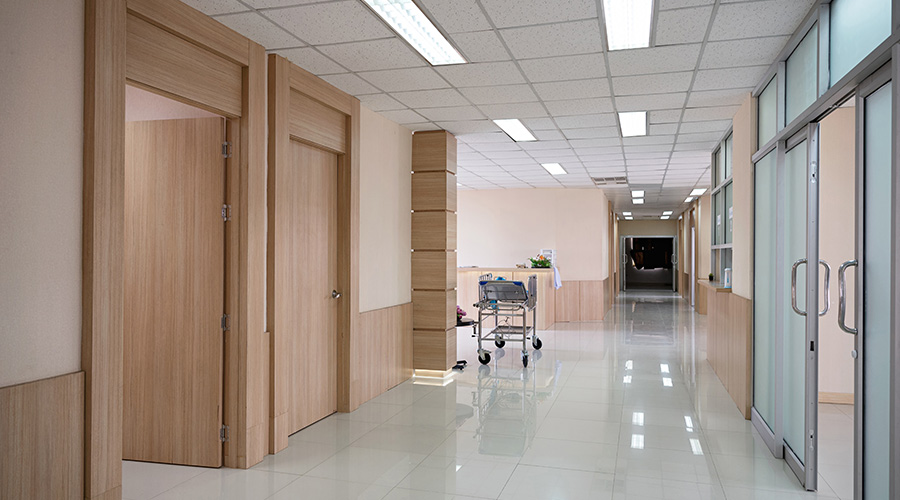 Vandalia Health, Mary Free Bed Break Ground on New Rehabilitation Hospital
 Why New Era of Care Demands an Ambulatory Facilities Approach
 ClearSky Health Plans New Medical Rehabilitation Hospital in North Carolina