
A germ-zapping robot called LightStrike from Xenex is used at California Pacific Medical Center(CPMC) hospitals to help curb the spread of infectious diseases. This mobile robotic device is used in intensive care units, medical surgery units, operating rooms and in rooms where patients suffering from Clostridioides difficile (also known as C.diff), Methicillin-resistant Staphylococcus aureus (MRSA) and other microorganisms, were discharged. CPMC, part of Sutter Health’s integrated network of care in Northern California, now employs this mobile robotic technology at all campus locations—with a total of seven robots in operation.
The LightStrike robot emits dozens of bright pulses of (UV) light per second that bounce into walls, floors, ceilings and hard-to-clean places where manual cleaning might miss. The UV light is absorbed by and fuses the DNA of microorganisms, causing the cell to break apart and dissolve, deactivating pathogens. A patient room can be disinfected in less than 15 minutes using this system. The LightStrike robot is not a replacement for manual disinfecting and cleaning by staff. It is another tool used in the hospitals to enhance staffs’ efforts to combat infectious diseases and to create a safer, cleaner environment for patients and their families.
Internal data shows a decline in infectious diseases at CPMC due to an overarching effort associated with training, improved hand hygiene, and diligence in disinfecting patient rooms after discharge — which includes the use of the Xenex technology.
Sutter Medical Center, Sacramento and Sutter Roseville Medical Center — CPMC’s sister hospitals in the Valley — also use the Xenex Germ-Zapping Robots to assist in their efforts to disinfect rooms. They have also seen similar declines in rates of infectious diseases.
 Cyberattack Results in Patient Reroutes at Anne Arundel Medical Center
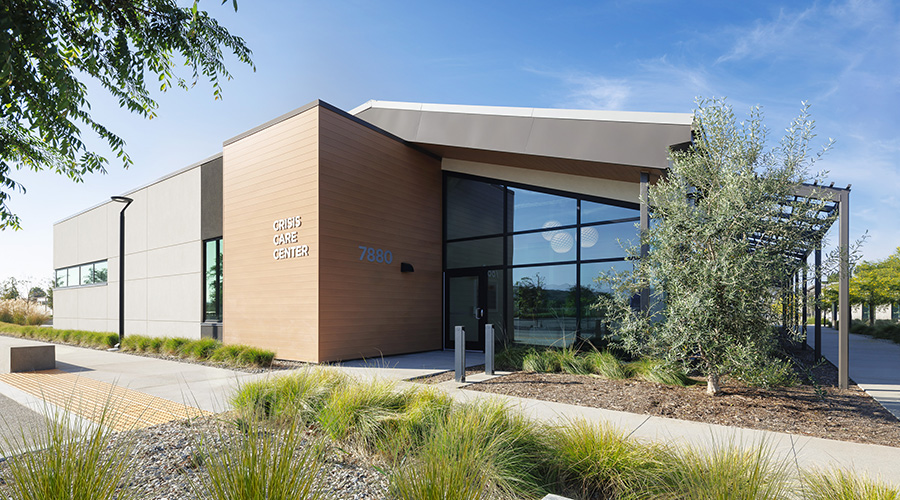 Tangram Furnishes Be Well OC Irvine Behavioral Health Campus
 Suntree Internal Medicine Reports Data Breach
 Why Healthcare Facilities Management Is Critical to Patient Safety
  Sanford Health and North Memorial Health Finalize Partnership