
Environmental services in healthcare facilities have come under great scrutiny since the beginning of the COVID-19 pandemic, and facilities managers are incorporating the infection control lessons learned as they update and refine their workers’ daily activities. Researchers also are weighing in on what the future might hold.
A team of researchers has presented a new concept for using robotics in infectious hospitals that could help to mitigate the spread of infections in the future, according to Health Europa. In light of the COVID-19 pandemic and the danger posed to healthcare staff and patients, a team of multidisciplinary researchers explored the idea of using robotics in healthcare as a solution, which they say might become a worldwide standard in the future.
The team have put forward a novel holistic architecture of an infectious disease hospital that employs robotic tools – both existing ones and proposed future technologies. The authors strongly believe that robots should gradually replace human personnel within a dangerous hot zone of an infectious hospital and perform routine tasks which do not require high-level medical skills or education in order to increase the safety of doctors and other medical staff, decrease the unnecessary physical and psychological burden, and partially close the existing shortage of medical personnel.
 Elevating EVS Professionals: The Case for Certified Hygiene Specialists
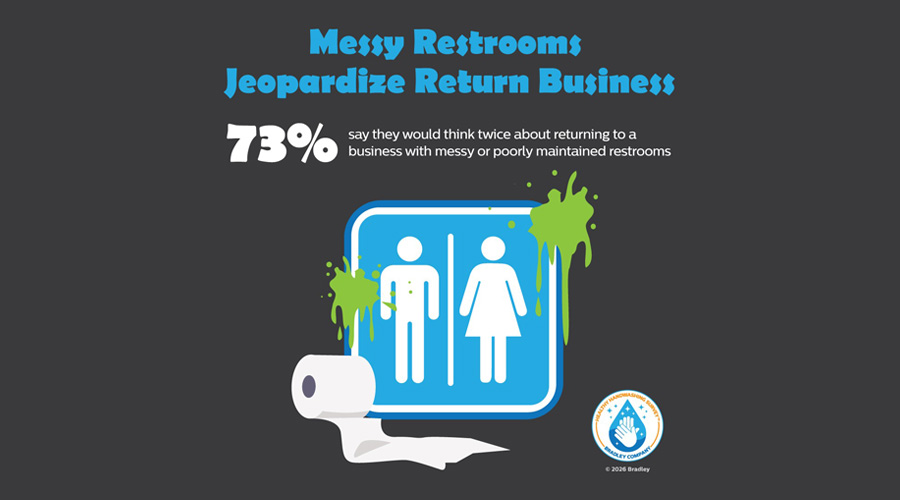 Global Handwashing Day and the Importance of Well-Maintained Restrooms
 Duke Health and CaroMont Health Partner to Develop Two New Hospitals
 Designing for the Psychology of Waiting
 UT Health Sciences Breaks Ground on College of Medicine Interdisciplinary Building