
Researchers at University College London (UCL) have developed a new antibacterial material that they say is deadly to bacteria when activated by even modest indoor lighting. It also exhibits antibacterial properties in total darkness, according to an article on the FacilityCare website.
“There are certain dyes that are known to be harmful to bacteria when subjected to bright light,” said the study’s corresponding author Ivan Parkin (head of UCL Chemistry).
Researchers tested different combinations of the dyes crystal violet (already used to treat staph infections), methylene blue and nanogold deposited on the surface of silicone. In their tests, in which infected surfaces were subjected to light levels similar to those measured in hospital buildings, surfaces treated with a combination of crystal violet, methylene blue and nanogold showed the most potent bactericidal effect ever observed in such a surface, the article said.
The article also said that this is the first time a light-activated antimicrobial surface has had any kind of effect in the dark.
Read the article.
 Elevating EVS Professionals: The Case for Certified Hygiene Specialists
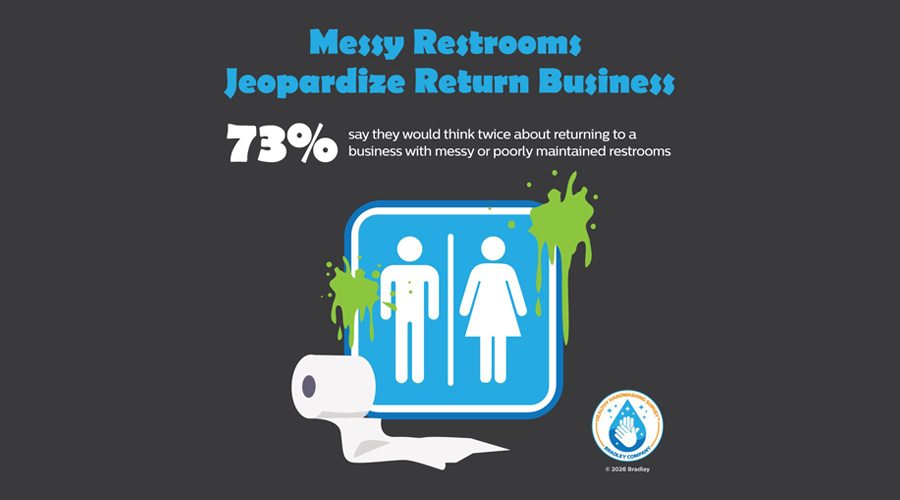 Global Handwashing Day and the Importance of Well-Maintained Restrooms
 Duke Health and CaroMont Health Partner to Develop Two New Hospitals
 Designing for the Psychology of Waiting
 UT Health Sciences Breaks Ground on College of Medicine Interdisciplinary Building