
Social distancing has been one of the building blocks of efforts in the last year to control the spread of the coronavirus. It has dictated the redesign of an array of areas of healthcare facilities from entryways and lobbies to offices and restrooms. Now, one study has called into the question its blanket application in buildings.
Not all indoor settings are the same: ventilation varies, size varies, occupancy varies. Not only that, the activities people perform indoors also vary a lot. So, the 6-foot social distancing protocol — allocated by both the Centers for Disease Control and Prevention (CDC) and the World Health Organization (WHO) — doesn’t always apply, according to Infection Control Today.
Investigators with the Massachusetts Institute of Technology argue that their data suggest that things like school closings and occupancy limits might not be necessary in many instances.
Social distancing rules should be pliable: Sometimes facilities need more, and sometimes less will do.
 Emergency Preparedness: Building a Stronger Community
 Ground Broken on Lavine Bekenstein Cancer Hospital in Massachusetts
 Camden-on-Gauley Medical Center Reports Data Security Incident
 Elevating EVS Professionals: The Case for Certified Hygiene Specialists
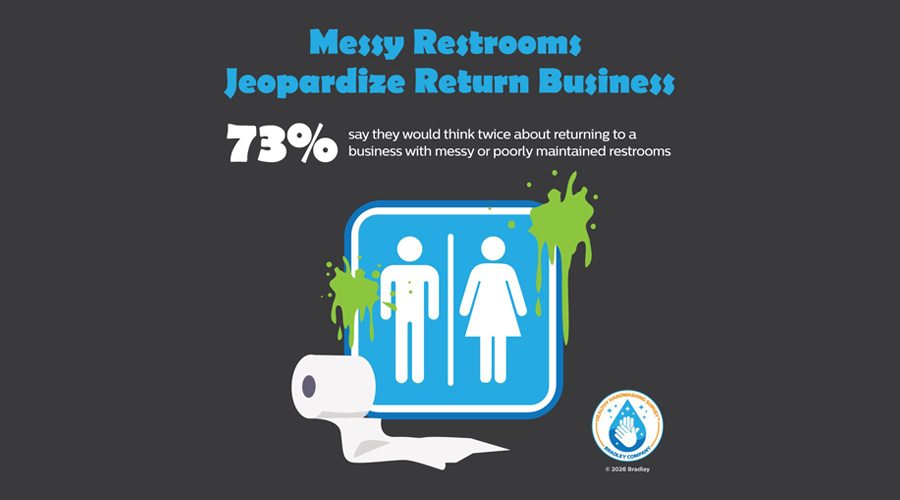 Global Handwashing Day and the Importance of Well-Maintained Restrooms