
A newly published research brief, “The Benefits of Nearby Nature in Cities for Older Adults,” provides an overview of the health and wellness benefits of urban nearby nature -- parks, gardens and trees that are easily accessible and close to one’s residence. Written by Kathleen Wolf, Ph.D., University of Washington (Seattle), and Elizabeth Housley of the firm, Our Future Environment, the publication pays special attention to the needs of people in their later years. The work is one of a series of research briefs that are funded by the TKF Foundation. The nonprofit supports projects that are assessing the health benefits of specially designed urban green spaces, and the need to incorporate more of such spaces into city planning.
By 2030, adults over age 65 will more than double to about 71 million, representing about 20% of the nation's population. Elders are at high risk for complex health problems, chronic illness and disability. They are now, and will continue to be, the heaviest health care users. As the number of older Americans increases, almost every medical specialty will have an increasingly older patient base. As a result, the U.S. is facing critical challenges of meeting services needs and rising health costs. The growing number of elderly people with multiple chronic diseases adds up to billions of dollars in healthcare costs.
There is growing awareness that a positive mind-set and general well-being is gained from access to nearby nature. Although benefits extend to all ages, positive health effects are often greater for older people. New retirees can benefit from light, nature-based activities like gardening and relaxing strolls. But adults over age 85 may be limited to their immediate neighborhood or care facility due to mobility or other health issues, so nearby nature is even more important. The brief shows how access to nature can improve one’s mind, body and spirit – including mobility issues, isolation, assisted living and physical therapy needs, depression and cognitive impairment.
This information is important as the older adult demographic will continue to increase and diversify. Unfortunately, nearly 40% of older adults age 60-64 feel their communities are not doing enough to plan for the growing senior population. And low-income older adults are even less convinced. “This brief is a wake-up call for senior living specialists, city planners and health officials looking to address the needs of an aging population,” said Mary Wyatt, executive director, TKF Foundation. “The evidence shows how important high-quality, well-designed nearby nature is for people of all ages.” The evidence can be used by those who advocate for ‘aging in place’ design within communities and private residences. It also informs the planning of health or care facilities, such as hospitals, Alzheimer’s centers or assisted living homes.
“The Benefits of Nearby Nature in Cities for Older Adults” is available to download free of charge at http://naturesacred.org/natures-impact/research-briefs/. For information about other nature-based research, visit www.naturesacred.org.
 Sustainability as a Baseline in Healthcare Facilities
 Penobscot Valley Hospital Reports Data Security Incident
 Ballad Health Acquires Land for Future Unicoi County Hospital
 Why Healthcare Facilities Management Is Critical to Patient Safety
 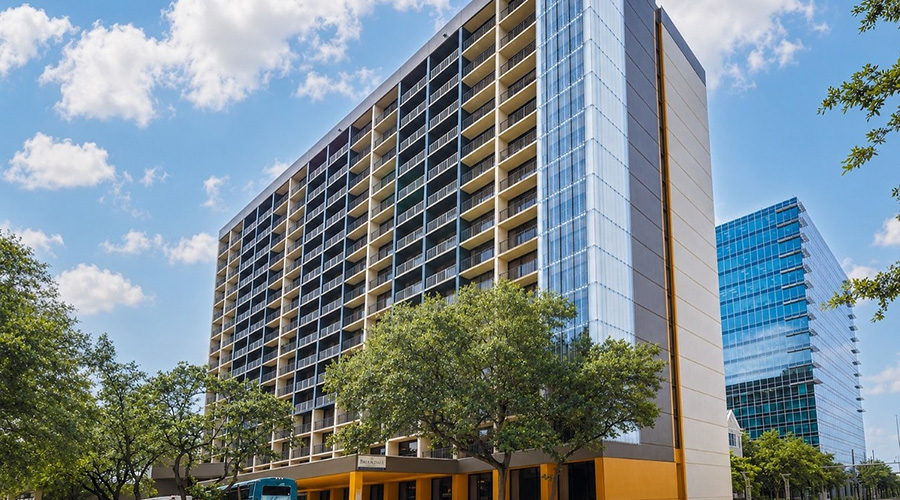 Brookdale Senior Living Announces Acquisition of the Brookdale Galleria Community