
Infusion suites within or adjacent to the urgent care center are becoming more common, according to an article on the Medical Construction & Design website.
A recent study by a Massachusetts healthcare system showed that 25 percent of the volume at its largest UCC was infusion-related. These patients represent a variety of needs, from hydration to anti- biotics, but the nursing skills, pharmaceutical mixing and physical resources necessary for the infusion process are common to them all, the article said.
Patients with chronic illnesses often need to have ongoing infusion treatments. Smaller local clinics with adjacent parking are often preferable to large, centrally located hospitals.
There is an increased focus by insurance companies to help to fund the relatively minimal costs of construction and staffing of these infusion suites, given the enormous savings that they can deliver over time, the article said.
 Going Solar with No Upfront Costs
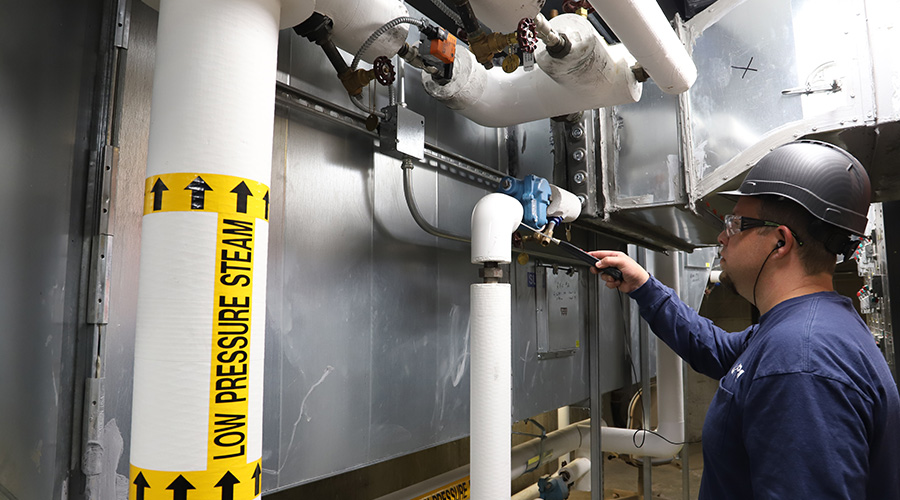 Northwell Health Finds Energy Savings in Steam Systems
 Endeavor Elmhurst Hospital Opens New 16-Bed Patient Observation Unit
 Sustainability as a Baseline in Healthcare Facilities
 Penobscot Valley Hospital Reports Data Security Incident