
To remain competitive, building owners are looking for ways to better design their medical facilities for expediency of care, according to an article on the Medical Construction & Design website.
Three top design features to consider when designing for speed of service for patients are wearable devices, flexible layouts and wayfinding.
With wearable devices for patients, hospitals can increase their capacity to accommodate a larger patient flow.
Flexible layouts. One way to address waiting-time issue is by designing efficient exam rooms that have a standardized, yet flexible layout. Flexible layouts can minimize walking distances for medical personnel, trimming patient waits.
Wayfinding can also improve design and speed of service. Wayfinding tactics range from a simple change in signage techniques to implementation of fully illuminated symbols equipped with motion sensors.
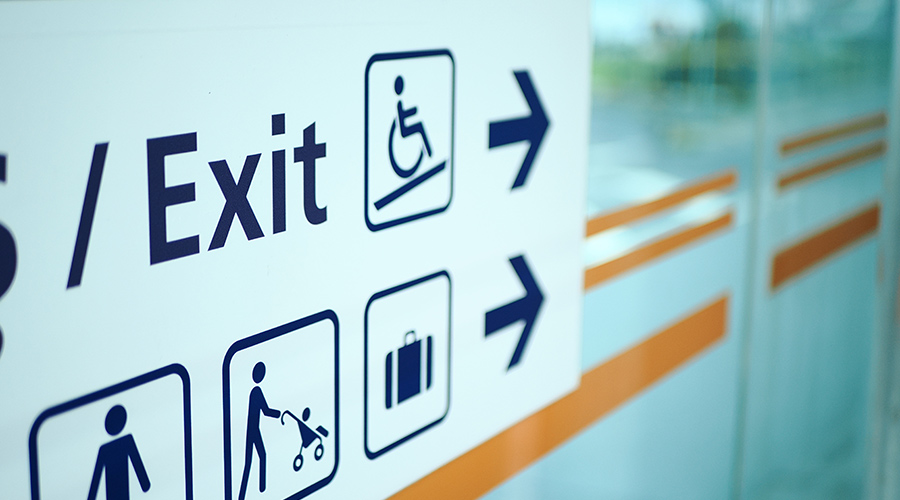 How Retail Design Principles Can Improve Healthcare Wayfinding
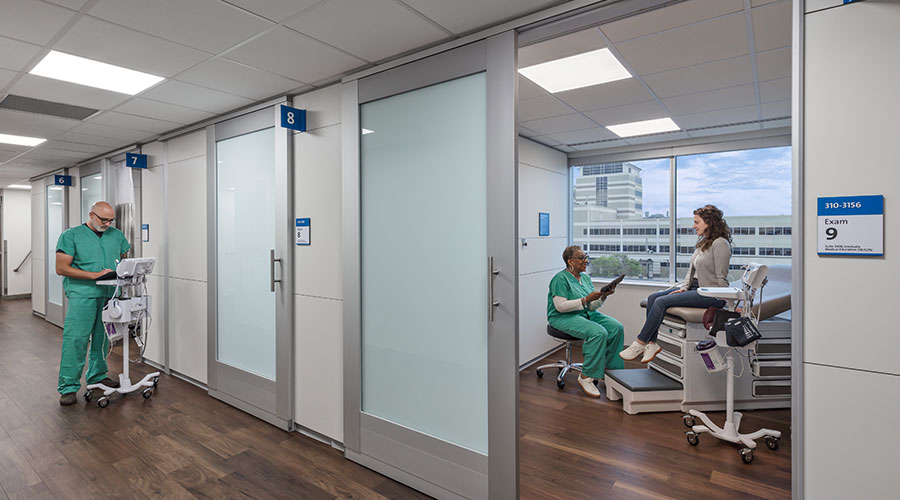 Flexible Design Strategies Help OhioHealth Maximize Clinical Space
 Midwest Spine And Brain Institute Suffers Data Breach via Third-Party Vendor
 What Accessibility in Senior Care Facilities Should Look Like
 Corewell Health to Expand Grand Rapids and Troy Hospitals