
Triax Technologies, Inc., a provider of wearable technology for jobsite connectivity and worker safety, has shared strategies for helping construction, the second least digitized U.S. industry, embrace technology, improve safety and operations and attract a new generation of tech-savvy workers to help fill the skilled labor shortage left by retiring baby boomers.
“The construction industry is facing a major dilemma: business is booming, but productivity is stagnant, and its skilled workforce is aging while there just aren’t enough new workers to fill demand,” says Chad Hollingsworth, co-founder and president, Triax Technologies. “New technologies, such as IoT-based wearables and analytics solutions, that provide unprecedented jobsite visibility help contractors optimize their current workforce, promote worker safety, and attract millennials to the field. Whether it’s solving our nation’s crumbling infrastructure or building sustainable spaces, construction continues to be the foundation of U.S. industry, and the new greenfield for technology transformation.”
While job opportunities across sectors increase as 10,000 baby boomers retire daily, and job growth in construction is expected to double the national average, fewer millennials are choosing that field. According to a USG and U.S. Chamber of Commerce Commercial Construction Index, more than 60 percent of contractors are having difficulty hiring skilled workers. Additionally, only three percent of overall respondents to a National Association of Home Builders (NAHB) survey expressed interest in the construction trades.
Among the factors Triax has identified as contributing to the shortage of millennial workers in construction is the general low-tech perception of the industry, and the lack of awareness about the potential for career advancement. Based on its work in the field with leading construction firms, Triax recommends the following strategies to attract a new, tech-savvy workforce to fill the labor gap:
- Promote the connected jobsite – and industry. The complex and often chaotic construction environment has made it difficult to digitally connect jobsites, leaving construction professionals to rely on manual processes. Today’s evolving construction technology ecosystem – which combines Building Information Modeling (BIM), mobile applications, project management software, smart tools, telematics-equipped machinery, and wearable sensors – provides visibility into site activity and project operations, improving safety and productivity.
- Challenge the status quo. According to Gallup research, millennials entering the workforce are likely to switch jobs and companies to better align with their needs and life goals, and they are particularly interested in opportunities to learn and grow. To recruit millennials, construction firms should implement a mindset that challenges the status quo, incorporates new technology and embraces innovation. By encouraging employees to research and champion emerging technologies, firms can attract younger workers who embrace a more digital workplace and are looking for opportunities to develop their skills and expertise.
- Focus on continuous safety improvement. Everyone involved in the industry must prioritize, preach and practice safety daily to combat construction’s often poor safety reputation. Effective site safety requires everyone’s participation, and leading contractors are engaging workers, supervisors and managers in safety discussions and leveraging their experiences to shape protocols and best practices. All workers, including millennials, want to feel valued and heard. By providing them with tools to actively participate in site safety and involving them in the development of continuously evolving safety best practices, construction organizations can position themselves for success.
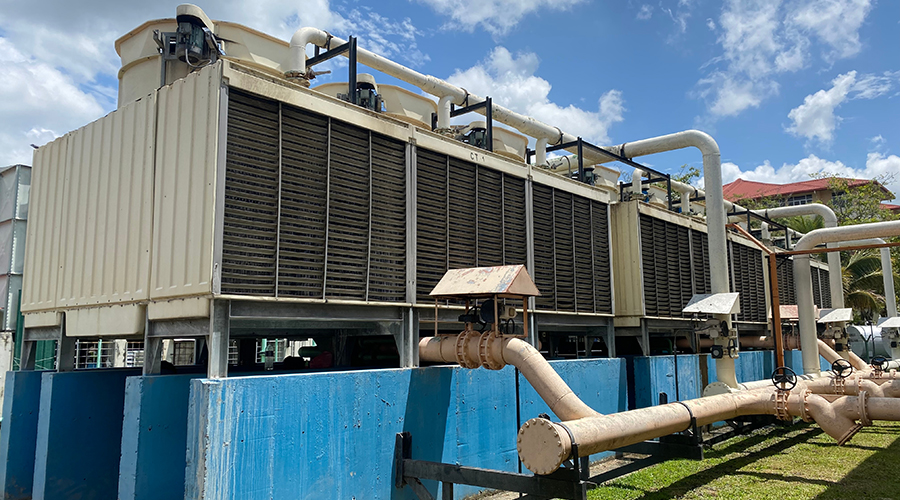 Cooling Towers at NYC Health + Hospitals/Lincoln Test Positive for Legionella
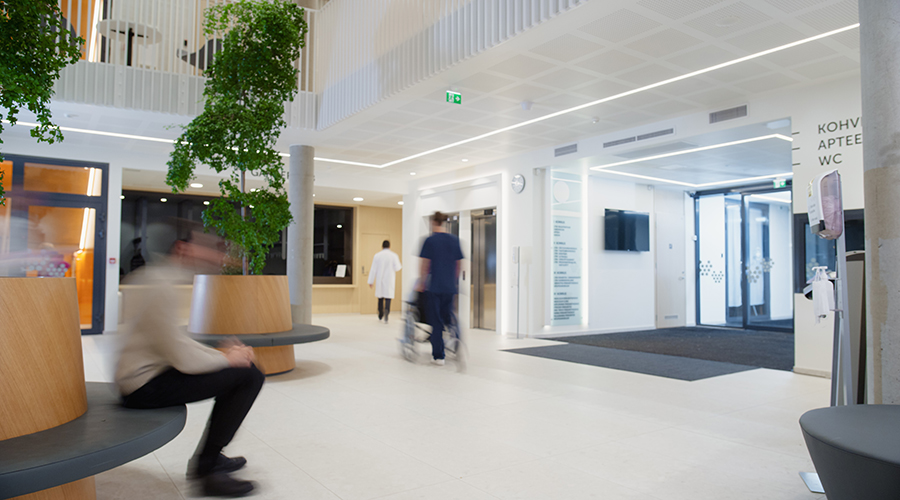 Prefabricated Wall Panels Accelerate UCF Lake Nona Medical Center Construction
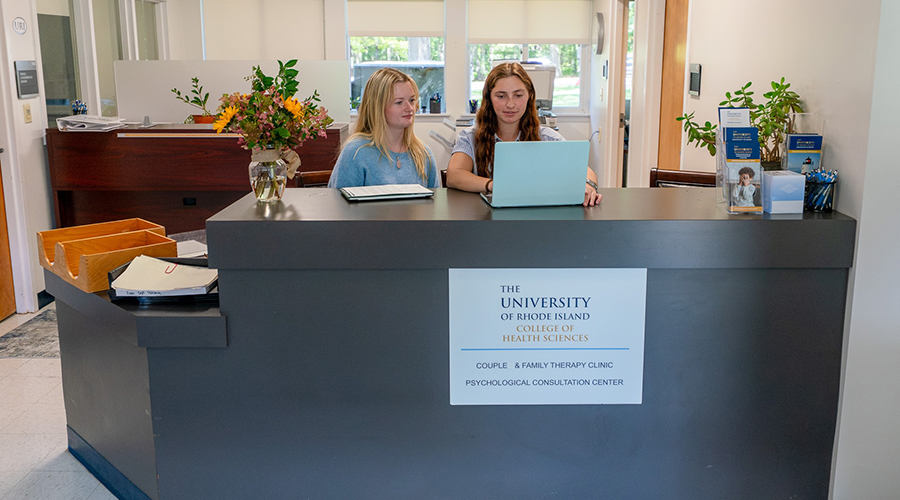 University of Rhode Island Adds Clinical Space
 How Retail Design Principles Can Improve Healthcare Wayfinding
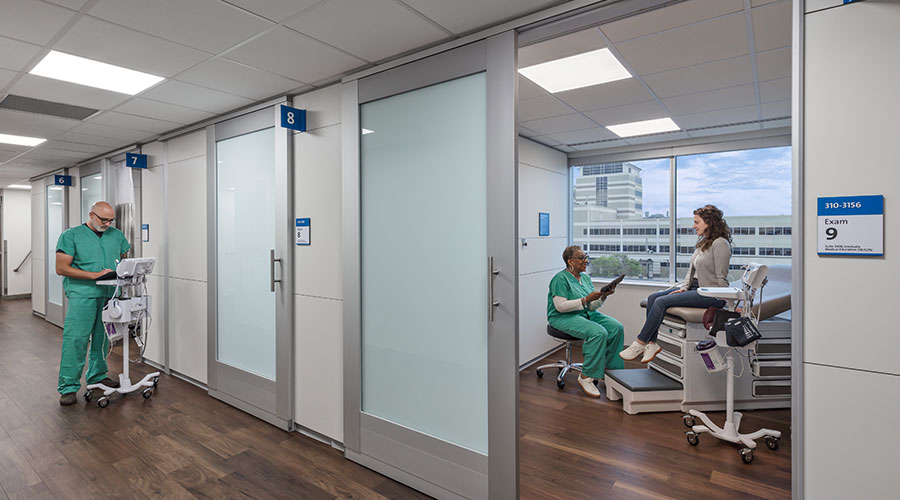 Flexible Design Strategies Help OhioHealth Maximize Clinical Space