
Hospitals can provide many services, but a reoccurring complaint from patients is that the facilities are not quiet at night, according to the Hospital Consumer Assessment of Healthcare Providers and Systems (HCAHPS). The lack of noise reduction can lead to poor decision making, reduced sleep and longer hospital stays. While many factors can contribute to loud noises and echoes, flooring is often an undervalued entity within hospitals and other healthcare facilities.
Many types of flooring that offer the clean, sterile materials hospitals need tend to have poor acoustics, according to a whitepaper, “Comparing Acoustic Flooring in Healthcare” by Ecore. For example, when an object hits a surface, the resulting energy is distributed in a variety of ways when it is bounced back, creating sound. Flooring can impact how loud the noise is based on the material. In addition, flooring that contributes to reduced sound levels actually might encourage people to lower their voices, since the space around them is quieter.
Flooring that features a vulcanized composition rubber can soften noises and increases impact time, helping change the characteristics that emit noise, according to the whitepaper. A study by Ecore comparing 5mm layer fusion bonded with 2 mm calendared rubber top layer flooring (Floor A) to 3 mm calendared rubber flooring (Floor B) found that Floor B generates an increase of nearly 50 percent in perceived noise. The first test measured decibel levels between the floors by using the ASTM E3133 standard for measuring the impact sound of floor coverings.
By using evidence-based designs, architects and designers can make informed decisions on ways to improve not only design elements but patient wellness. The test results support the reason EBD is essential in healthcare facilities.
 Emergency Preparedness: Building a Stronger Community
 Ground Broken on Lavine Bekenstein Cancer Hospital in Massachusetts
 Camden-on-Gauley Medical Center Reports Data Security Incident
 Elevating EVS Professionals: The Case for Certified Hygiene Specialists
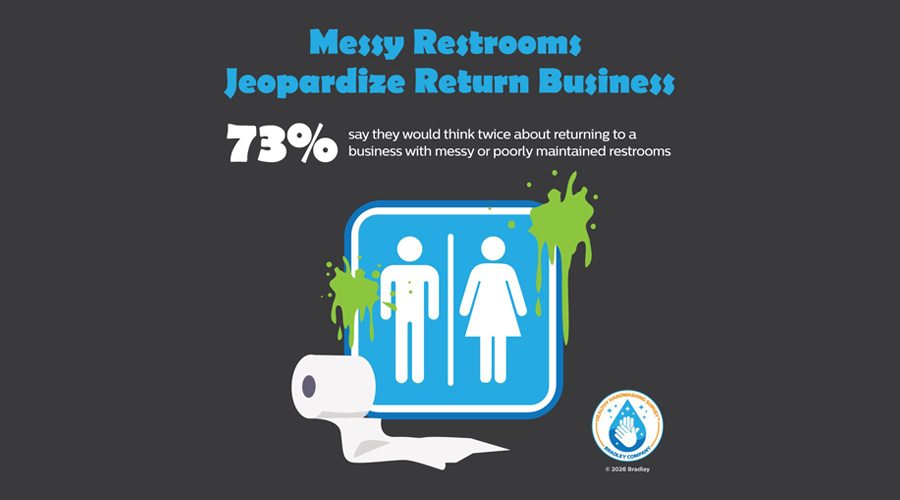 Global Handwashing Day and the Importance of Well-Maintained Restrooms