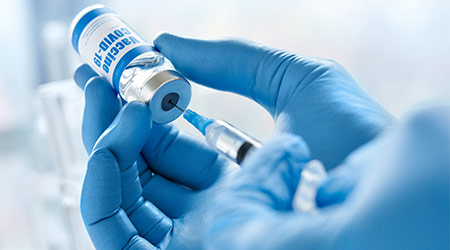
From the outbreak of the COVID-19 pandemic last spring until this past fall, workers in healthcare facilities — whether treating patients with the illness or cleaning and maintaining contaminated treatment areas — faced a high level of risk on the job. The arrival of vaccines brought the hope they would protect workers from contracting the illness, and those hope now appear to have been realized.
A new study found strong evidence mRNA COVID-19 vaccines are highly effective in preventing infections among healthcare personnel and other essential workers, according to Fierce Healthcare. The analysis by the Centers for Disease Control and Prevention (CDC) looked at the effectiveness of the Pfizer-BioNTech and Moderna vaccines that use the mRNA technology.
“Results showed that following the second dose of vaccine (the recommended number of doses), risk of infection was reduced by 90 percent two or more weeks after vaccinations,” the CDC said.
The risk of infection after a single dose was reduced by 80 percent about two or more weeks after getting the shot. Front-line healthcare workers were among the first to get vaccinated after the vaccines were approved.
 Why Healthcare Facilities Management Is Critical to Patient Safety
  Brookdale Senior Living Announces Acquisition of the Brookdale Galleria Community
 Erlanger Health System Falls Victim to Data Breach
 Technological Readiness: The Missing Construction Milestone
 From Cooling Towers to Cost Savings: Hospital Seizes Power-Saving Opportunity