
Whidbey General Hospital in Coupeville, Wash., has installed a variable refrigerant flow system that saves energy and uses less ductwork than traditional systems.
Although these systems are becoming more common in the U.S., they’re new to hospitals, according to an article on the Seattle Daily Journal of Commerce website.
Traditionally, hospitals rely on a temperature control concept known as “reheat” where large, centrally located ventilation equipment delivers cold air to hundreds of rooms simultaneously. The air must be delivered cold, as some interior rooms will always need cooling. Rooms that don’t need cooling have individual heating coils that heat the cooled air back up to room temperature, hence the term reheat.
Variable refrigerant flow (VRF) heat-pump systems have become popular for smaller commercial buildings. The system uses localized heat pump condensing units mounted outdoors or in closets linked with small refrigerant pipes to fan coil units in or near rooms being served.
 Extreme Weather: The Maintenance-Resilience Link
 Encompass Health Lower Providence Opens in Pennsylvania
 Intermountain Health Acquires Fairbourne Building for Healthcare Hub and Medical Campus Conversion
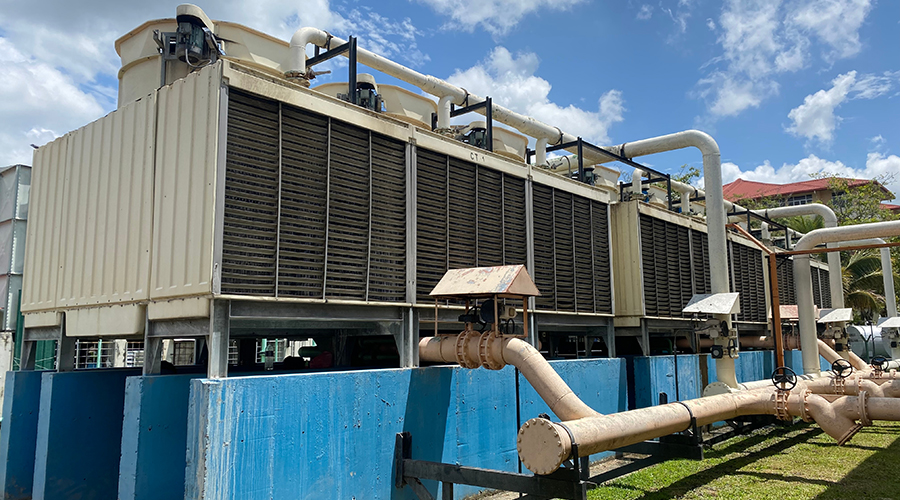 Cooling Towers at NYC Health + Hospitals/Lincoln Test Positive for Legionella
 Prefabricated Wall Panels Accelerate UCF Lake Nona Medical Center Construction