
Wisconsin’s Gundersen Health System has been producing more energy than it consumes since mid October, according to an article on the Think Progress website.
The health system is the first of its kind to become fully energy independent, the article said. Gundersen has saved nearly $2 million each year from energy conservation and efficiency efforts.
Gundersen relies on a variety of local energy sources and efficiency measures. The main campus runs a 800-horsepower biomass boiler, which burns wood chips from local suppliers to produce energy and is expected to save the system $500,000 a year. Gundersen is also getting energy from a local landfill that produces a gas that contains methane, which is captured and pumped to the campus.
The system also had solar panels installed on one of its parking decks and has helped build two local wind farms that, combined, produce enough energy to power 2,600 homes. It also uses the methane captured from the manure of 2,000 cows on three Wisconsin farms to help power its generators. Gundersen sells the electricity as well as the manure — which can be used as compost, bedding and fertilizer — making $2 million each year, the article said.
 Emergency Preparedness: Building a Stronger Community
 Ground Broken on Lavine Bekenstein Cancer Hospital in Massachusetts
 Camden-on-Gauley Medical Center Reports Data Security Incident
 Elevating EVS Professionals: The Case for Certified Hygiene Specialists
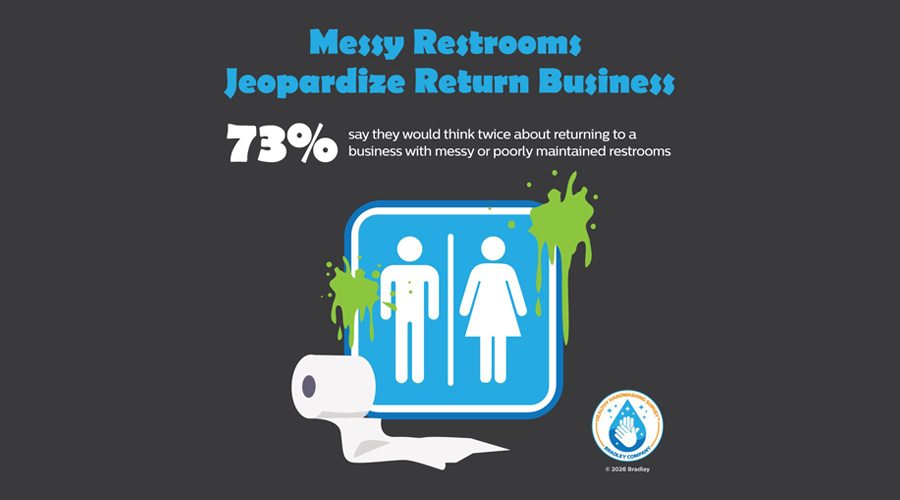 Global Handwashing Day and the Importance of Well-Maintained Restrooms