
Naming a chief information security officer (CISO), maintaining a separate budget and stating a strategic objective are some of the crucial elements of a healthcare facility cybersecurity plan, according to an article on the Healthcare IT News website.
Board involvement and strict vendor scrutiny are also on the experts' must have list.
“Information risk management will inform many decisions that require organizational prioritization and ensure the C-suite and board are well-informed on threats, vulnerabilities and risks that may adversely impact the organization,” according to Rich Curtiss, a managing consultant at Clearwater Compliance.
Information security workforce should be from the information technology workforce to ensure adequate separation of duties and avoid conflicts of interest, Curtiss said.
 Elevating EVS Professionals: The Case for Certified Hygiene Specialists
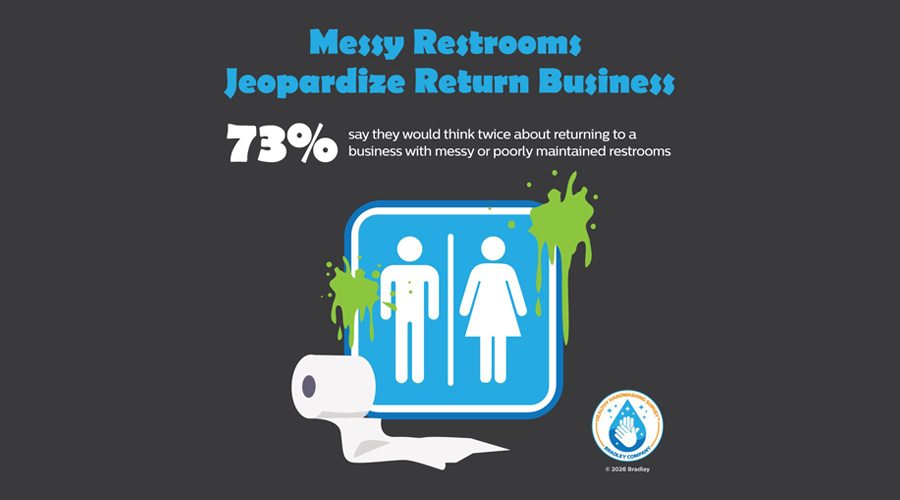 Global Handwashing Day and the Importance of Well-Maintained Restrooms
 Duke Health and CaroMont Health Partner to Develop Two New Hospitals
 Designing for the Psychology of Waiting
 UT Health Sciences Breaks Ground on College of Medicine Interdisciplinary Building