
While early efforts to control the COVID-19 pandemic focused on sanitizing surfaces, the focus quickly turned to the role played by airflow through facilities. As a result, scrutiny continues to mount for HVAC system performance and the equipment’s role in preventing the spread of the coronavirus.
Recently, the former head of the federal Occupational Safety and Health Administration (OSHA) indicated his belief that many employers are not taking adequate measures to address the real risks for COVID-19 in the workplace, according to JD Supra. Dr. David Michaels said that in addition to droplet and surface transmission, the virus may become airborne for extended periods of time.
The CDC updated its guidance in October 2020 to address this potential, but the agency maintains that the virus primarily spreads through close contact.) He goes on to recommend that in addition to masks, social distancing, and other preventative measures, OSHA should require employers to carefully review their ventilation and airflow systems.
Some state COVID-19 standards already in place require employers to review and upgrade HVAC systems where feasible. A more aggressive approach, such as that suggested by Dr. Michaels, could include other measures such as advanced filtration, installation of blowers, or even new ductwork in parts of a workplace that suffer from poor ventilation.
Click here to read the article.
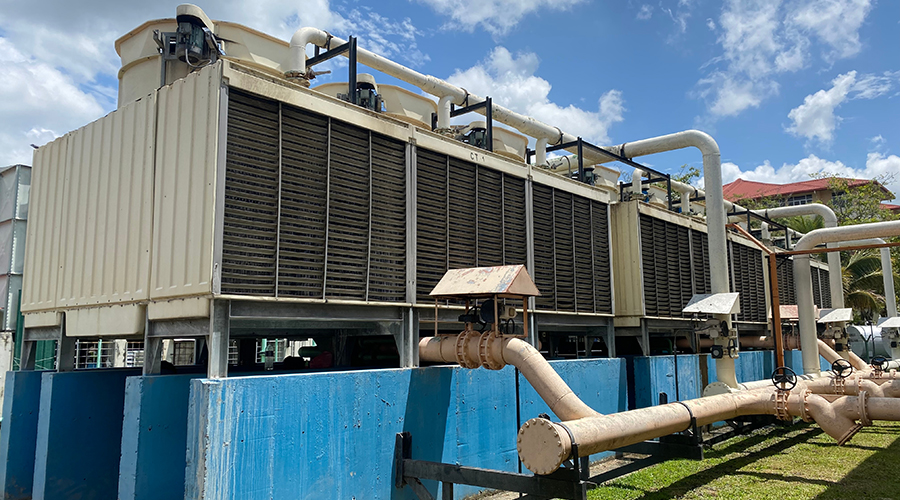 Cooling Towers at NYC Health + Hospitals/Lincoln Test Positive for Legionella
 Prefabricated Wall Panels Accelerate UCF Lake Nona Medical Center Construction
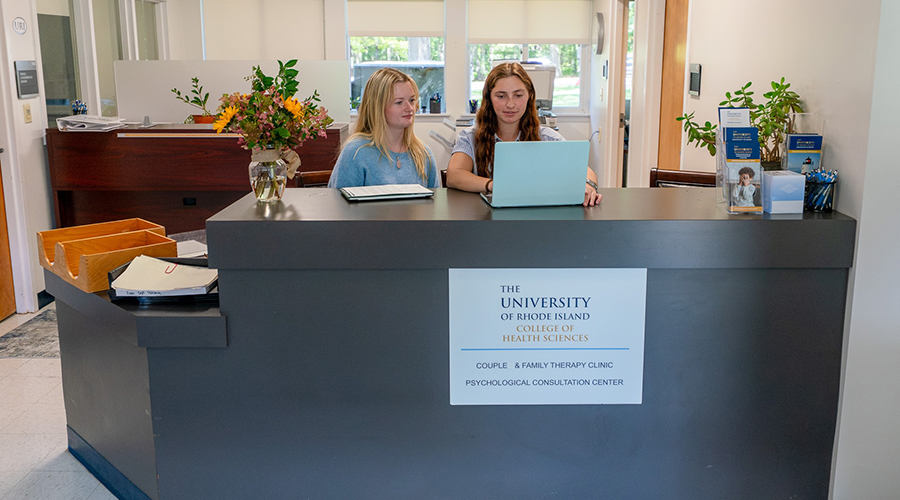 University of Rhode Island Adds Clinical Space
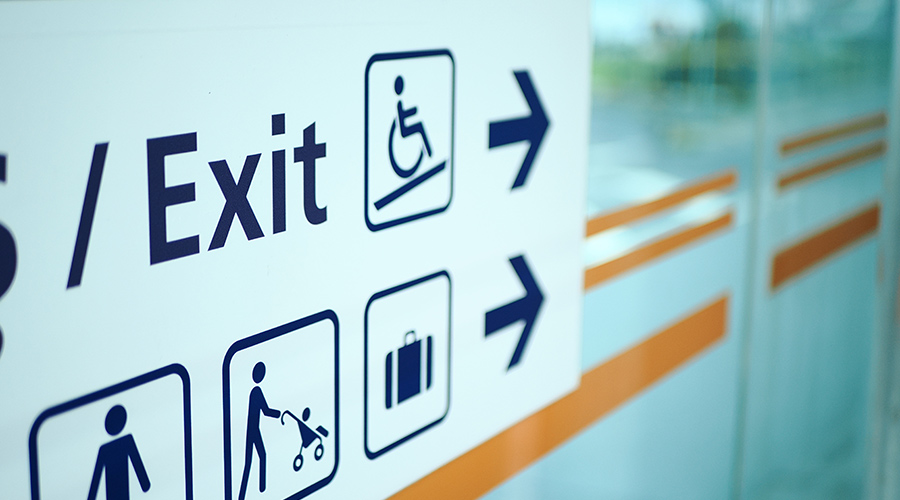 How Retail Design Principles Can Improve Healthcare Wayfinding
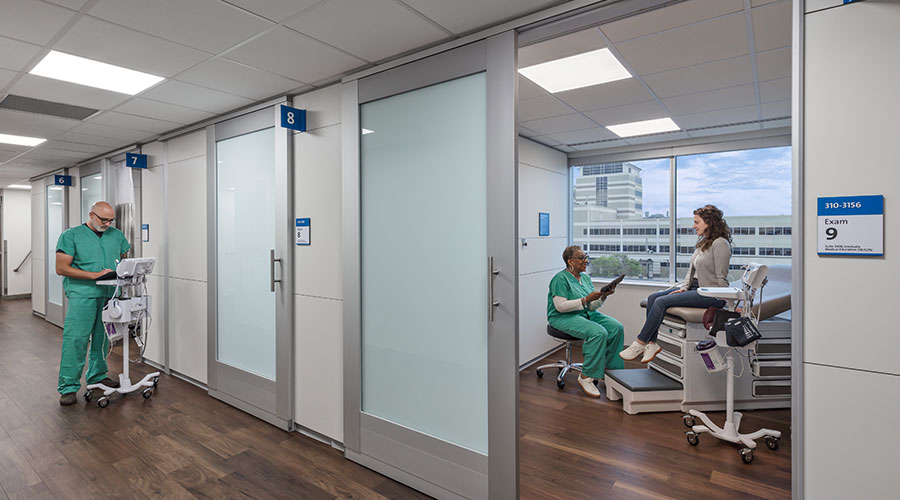 Flexible Design Strategies Help OhioHealth Maximize Clinical Space