
The Affordable Care Act has given an estimated 32 million new people access to healthcare, creating a greater demand for healthcare professionals. The generation that will fill this gap consists predominantly of a large emerging workforce shaped by rapidly changing technology as a normal part of life, according to an article on the Contract magazine website.
This new type of learner benefits greatly from advanced technology in the medical learning environment. A simulation, for instance, is one of the best methods for teaching because it provides experiential learning that never puts a patient at risk.
Aligning the design of the simulation facility with the school’s curriculum is a key design objective, according to the article.
While each facility has unique needs, common areas typically required include:
• Patient simulation rooms
• Observation rooms
• Debriefing rooms
• Skills lab
• Standardized patient rooms
Read the article.
 AI Usage for Healthcare Facilities
 Ground Broken on Pelican Valley Senior Living Modernization Project
 All-Electric UCI Health – Irvine Hospital Set to Open
 The Rising Strategic Value of Owner's Reps in Healthcare
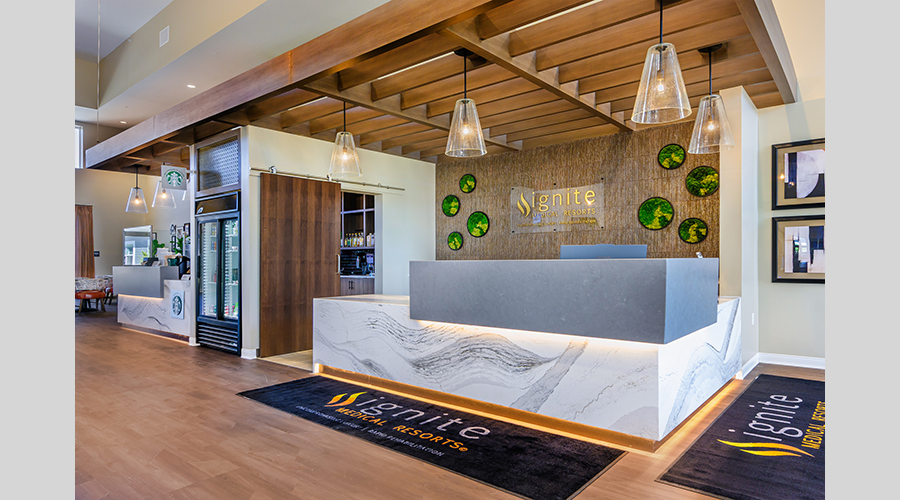 Lawrence Group Designs Pair of Ignite Medical Resorts in Missouri