Focus: Life Safety
Central OhioTrauma System Central helps Ohio hospitals respond to potential disasters
They have plans for blizzards, tornadoes, virus outbreaks, aircraft crashes, mass killings and other calamities.
Ohio hospital executives are confident that they’re prepared to respond to whatever disasters might hit the region, according to the Columbus Dispatch website.
They do have plans for blizzards, tornadoes, virus outbreaks, airplane crashes, mass killings and other calamities.
A key piece of any effort is the Central Ohio Trauma System, a network of healthcare professionals prepared to respond to crises in the community. They’re the “go-to experts,” said Andrew Thomas, chief clinical officer at Wexner.
The group helps coordinate responses among hospitals, police and fire departments, emergency medical services and other groups.
Read the article.
October 10, 2017
Topic Area:
Safety
Recent Posts
Nature-inspired design can support staff well-being and create more welcoming, human-centered healthcare environments.
The multi-year project will bring significant improvements to both hospitals.
The new Fauquier location will serve as a hub for clinical research and innovation in the future.
Professional memberships offer a convenient way to access practical resources, stay current on critical changes and learn from peers.
The 450,000-square-foot facility will feature 300 inpatient beds across ten floors and has been designed specifically around the needs of people with cancer and their families.

 The Role of Biophilic Design in Healthcare Facilities
 TriStar Centennial Medical Center Invests $90M in Women, Children's Hospital Expansions
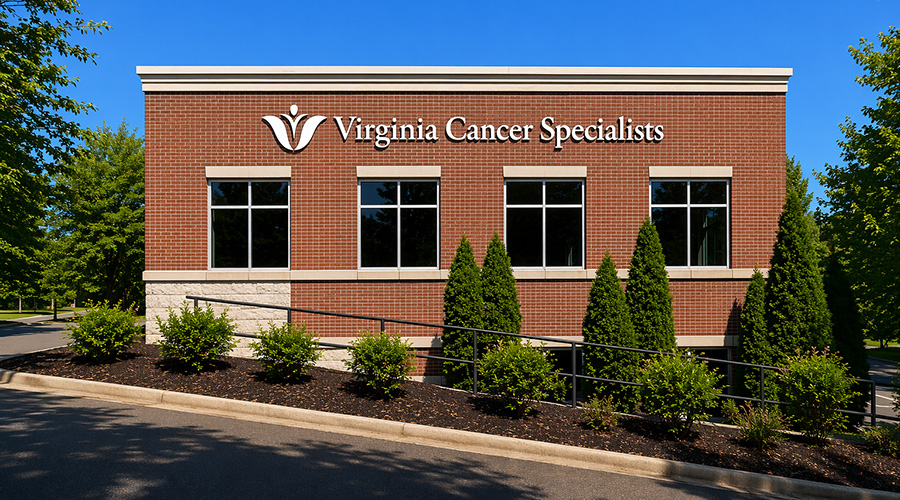 Virginia Cancer Specialists to Open Newly Expanded Fauquier Location
 Emergency Preparedness: Building a Stronger Community
 Ground Broken on Lavine Bekenstein Cancer Hospital in Massachusetts