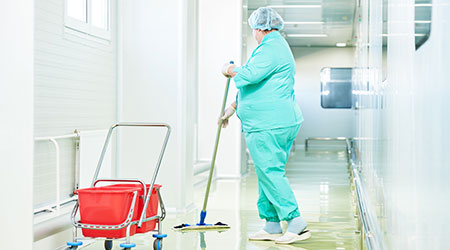
Having set processes, procedures, great training and retraining, and a public health approach to cleaning is important, according to an article on the CleanLink website.
A public health approach means looking into less toxic cleaners that do not leave residues or have a lot of synthetic fragrances or dyes in them, ergonomic equipment for workers, decreasing cross-contamination, remembering indoor air quality and heading off the spread of infectious outbreaks and their symptoms every day of the year.
Infectious outbreaks happen to everyone and occur everywhere. Germs can live sometimes for weeks or months on soft and hard surfaces and even in the air. This means that anything someone touches can potentially be hazardous to public health if it is not cleaned and sanitized or disinfected correctly.
Cleaning for infection control means cleaning and removing soils and germs or possible pathogens. Then it's killing what is left. Infection control even includes hazards, toxicity, air quality, time and efficacy, cost and return on investment.
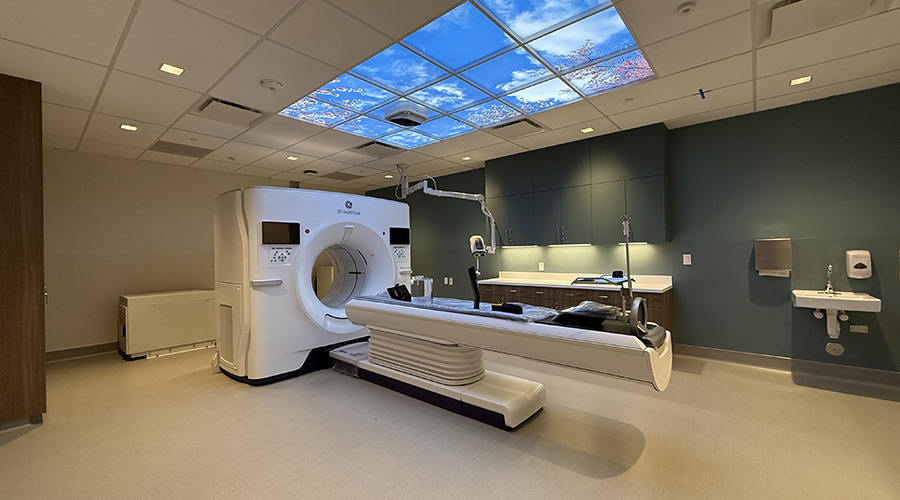 Skanska Completes Renovation of Specialized Care Facility for Sutter Health
 Whitfield Regional Hospital Reports June 2025 Data Breach
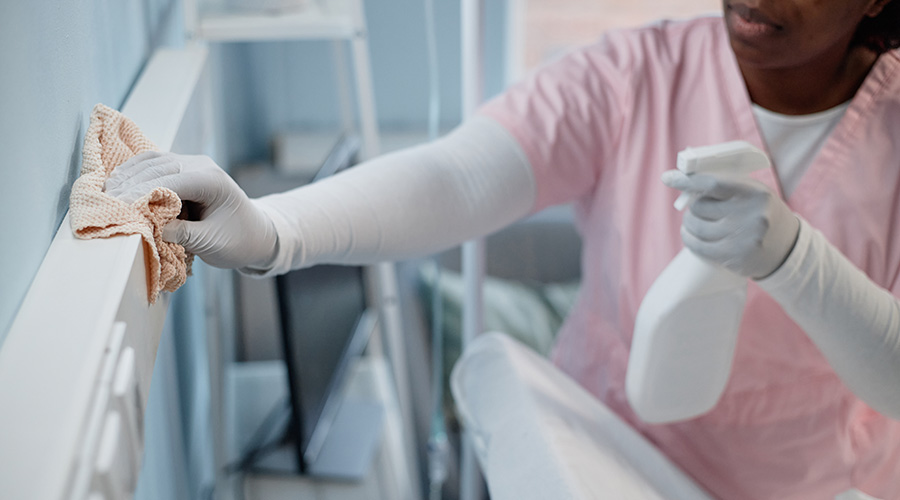 Silent Undercount: HAI Deaths Are Far Higher Than Reported
 Ground Broken on Cleveland Clinic Avon Hospital Expansion Project in Ohio
 Tennessee Oncology Opens New Tullahoma Medical Center