
COVID-19 has taken a toll on every aspect of healthcare organizations seeking to tailor operations to the pandemic area. HVAC systems, public spaces and entryways have been revamped and upgraded, supply chains have been strengthened to provide needed PPE, and elective procedures have been curtailed, putting a crimp in revenues.
This last change might have had the largest impact on organizations looking to operate without the need for drastic measures. For some hospitals, though, these challenges were too much in an already difficult business environment.
Twelve hospitals in the United States have closed in the eight months since the World Health Organization declared COVID-19 a pandemic, according to Becker’s Hospital CFO Report.
Hospitals across the nation have experienced financial strain tied to the COVID-19 pandemic. Lower patient volumes, canceled elective procedures and higher expenses have created a cash crunch for hospitals, many of which were already operating on thin margins. U.S. hospitals are estimated to lose more than $323 billion this year, according to a report from the American Hospital Association.
Among the closures during the COVID-19 pandemic are: Northridge Medical Center, Commerce, Ga.; Southwest Georgia Regional Medical Center, Cuthbert; Shands Lake Shore Regional Medical Center, Lake City, Fla.; Cumberland River Hospital, Celina, Tenn.; Bluefield (W.Va.) Regional Medical Center; and First Texas Hospital Cy-Fair, Houston.
Click here to read the article.
 Elevating EVS Professionals: The Case for Certified Hygiene Specialists
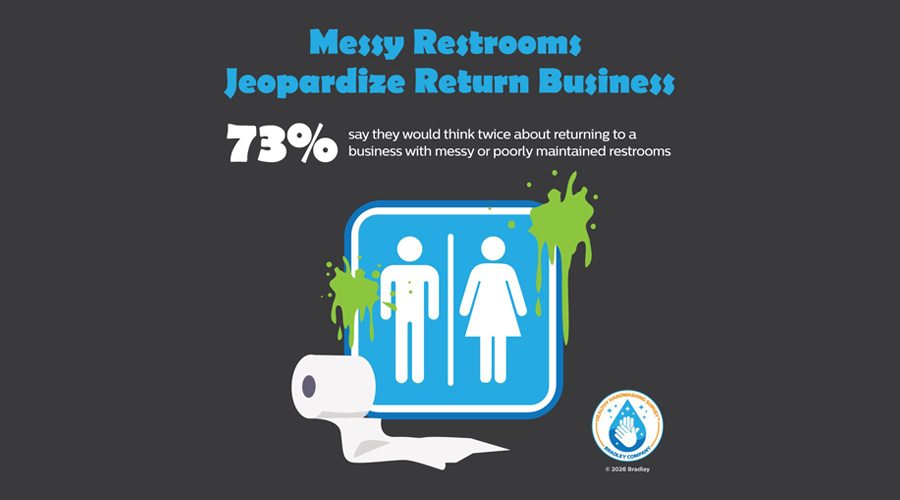 Global Handwashing Day and the Importance of Well-Maintained Restrooms
 Duke Health and CaroMont Health Partner to Develop Two New Hospitals
 Designing for the Psychology of Waiting
 UT Health Sciences Breaks Ground on College of Medicine Interdisciplinary Building