
Adaptive architecture benefits academic medical facilities

Site planning can optimize land use and land banking for the future


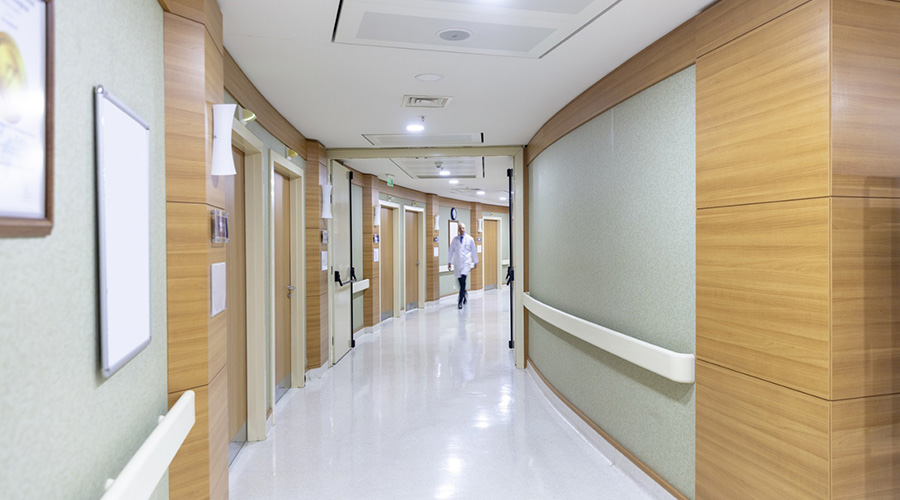
Healthcare facility designers incorporate strategies that ease the potential for adaptive use of academic medical facilities  over time, according to an article on the Health Facilities Management website.

Site planning optimizes land use and land banking for the future. Creating precincts can allow anticipated growth over time while preserving clarity of organization.

Designers should employ expansion strategies such as shelled space and easily changed “soft” space adjacent to intensive uses.

Engaging stakeholders in the visioning process encourages clients to think about their aspirations for the future.
Read the article.


July 15, 2016


Topic Area: Architecture


Recent Posts

Skills Gap Remains Wide in Facilities Management

Many candidates lack the skills that are needed to be a facilities manager.


Making Healthcare Lighting Retrofits Work

Effective operational planning determines whether a retrofit project improves a facility or creates new problems.


Harris Health to Build New Freestanding Cancer Center
The center is planned to open in 2029, following the opening of the new O'Quinn Hospital along the North Loop at Lockwood.


Inland Empire Health Plan Opens Expanded San Bernardino Community Wellness Center
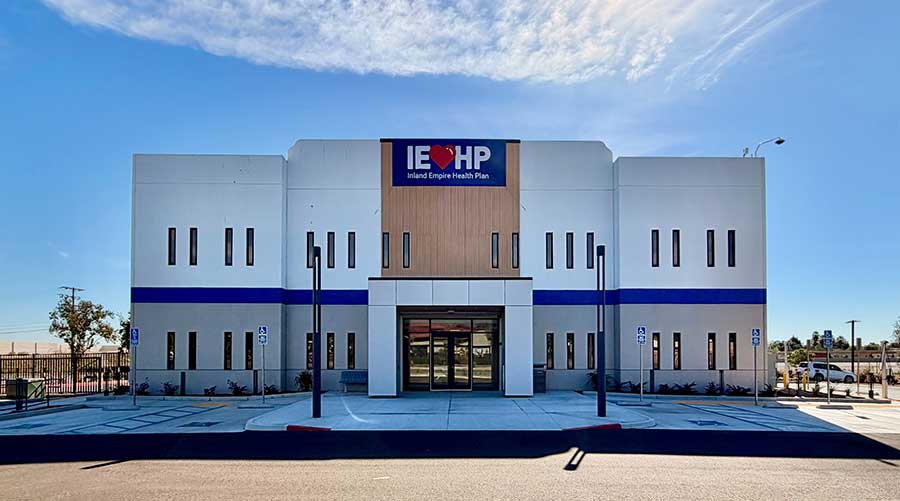
The new 33,000-square-foot center is nearly three times the size of the original location off Second Street.


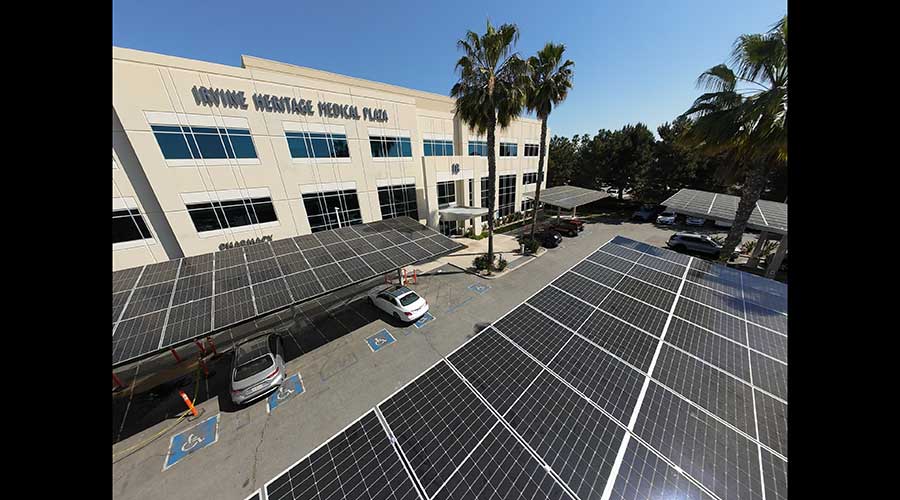
Rethinking Parking Lot Design at Irvine Heritage Medical Plaza

A new solar installation shows how healthcare facilities can improve parking amenities while boosting energy savings


FREE Newsletter Signup Form

News & Updates | Webcast Alerts
Building Technologies | & More!


All fields are required. This site is protected by reCAPTCHA and the Google Privacy Policy and Terms of Service apply.