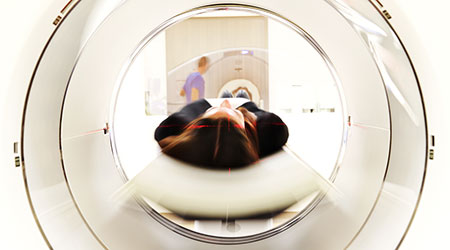
As the COVID crisis continues, concerns about the maintenance of critical medical equipment, including X-ray machines, dialysis machines, and ventilators, are growing, according to an article on the Slate website.
Because of the pandemic, many manufacturers are restricting travel for their repair technicians.
In a July survey by the U.S. PIRG Education Fund, almost one-third of biomedical repair technicians said some equipment at their facilities could not be used because repairs were unavailable.
Preventative maintenance has fallen behind too. Many hospitals already have repair experts on-site, but manufacturers often require restrictive licensing agreements and use copyright law to prevent hospitals from diagnosing and fixing their own equipment.
A bill in Congress now could ease these issues. The Critical Medical Infrastructure Right-to-Repair Act, as part of the next COVID-19 relief package, would allow trained repair technicians to more easily access the information and tools they need to fix and maintain critical medical infrastructure during the COVID-19 crisis.
 Sustainability as a Baseline in Healthcare Facilities
 Penobscot Valley Hospital Reports Data Security Incident
 Ballad Health Acquires Land for Future Unicoi County Hospital
 Why Healthcare Facilities Management Is Critical to Patient Safety
  Brookdale Senior Living Announces Acquisition of the Brookdale Galleria Community