
Even as extreme weather exacerbated by climate change has gotten worse, federal climate policy has veered away from climate change mitigation and greenhouse gas emissions reductions with the new leadership in Washington. On June 1, 2017, President Trump signaled his administration’s long-term approach by withdrawing the United States from the landmark greenhouse-gas reduction-focused Paris Climate Agreement.
But while the times seem dark, there is good news. For one, EPA recently announced that greenhouse gas emissions produced by the energy sector are at their lowest levels since 1990. For another, in the absence of federal commitment to climate change mitigation, a groundswell of localized action is showing definitive progress, according to an article on the Building Operating Management on the FacilitiesNet website.
“While federal policy is slowing down, states, cities, and business have really stepped up,” says Jacob Corvidae, principal with the Rocky Mountain Institute. In mid-September 2018, 19 world cities, including Los Angeles, Portland, San Francisco, Santa Monica, San Jose, New York City, and Washington, D.C., signed the Net Zero Carbon Buildings Declaration, pledging to operate all buildings carbon neutral by 2030.
As well, 2,657 businesses, cities, states, healthcare organizations, faith groups, colleges and universities, and other entities have signed the We Are Still In pledge, endeavoring to achieve the goals set forth in the Paris Climate Agreement — reducing greenhouse gas emissions enough to avoid a 2-degree Celsius raise in global temperature. These signatories represent a total economy of more than $6.2 trillion, larger than any nation except the United States and China.
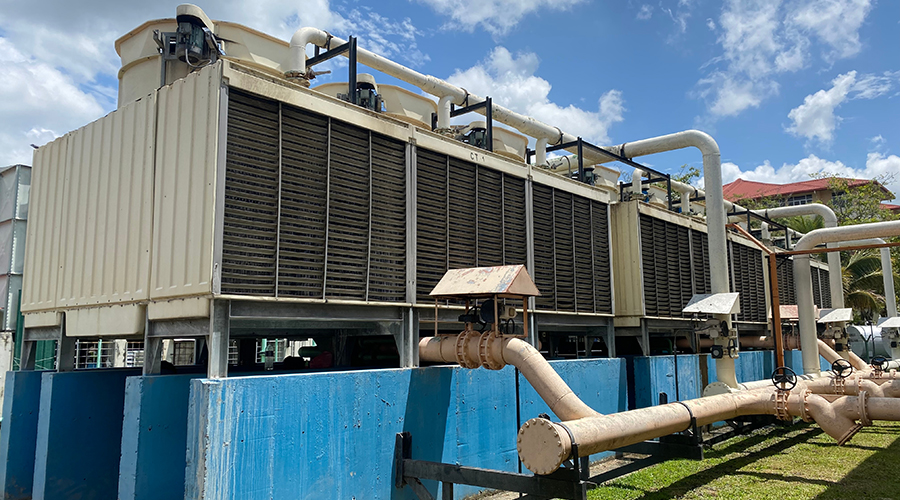 Cooling Towers at NYC Health + Hospitals/Lincoln Test Positive for Legionella
 Prefabricated Wall Panels Accelerate UCF Lake Nona Medical Center Construction
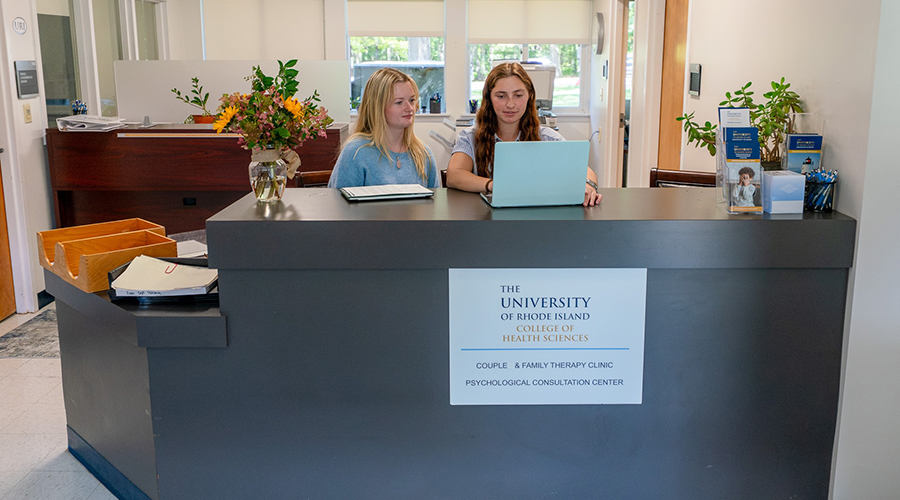 University of Rhode Island Adds Clinical Space
 How Retail Design Principles Can Improve Healthcare Wayfinding
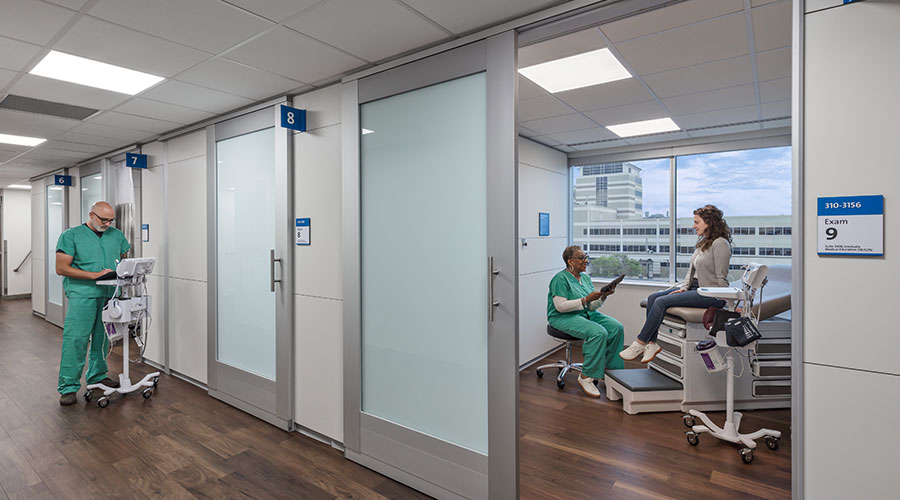 Flexible Design Strategies Help OhioHealth Maximize Clinical Space