
Clostridium difficile was once seen as a problem mainly confined to hospitals and nursing homes.But research suggests C. diff rates in the community are on the rise, and that traditional risk factors may no longer tell the whole story, according to an article on the NPR website.
Improved infection control in hospitals has begun to cut infection rates, but studies have suggested that the problem might be bigger than first imagined. In 2006, when a hospital in North Carolina reported that 35 percent of C. diff infections were occurring outside the hospital. Work published in 2011 found that 40 percent of all C. diff infections in southern Minnesota were community-associated. Even more concerning, the investigators noted a marked increase over time of community-associated C. diff.
The Centers for Disease Control and Prevention CDC estimated that nearly 350,000 C. diff infections occurred outside of hospitals in 2011, and found that 46 percent were fully community-acquired. Last year, researchers in California found that 1 in 10 emergency room patients with diarrhea tested positive for C. diff, and that 40 percent had no healthcare facility-related (antibiotics and hospitalization) risk factors.
Improved cleanliness on high-touch surfaces combined with better hand-washing habits are believed to be the best route to cut C. diff. infection rates.
 Cooling Towers at NYC Health + Hospitals/Lincoln Test Positive for Legionella
 Prefabricated Wall Panels Accelerate UCF Lake Nona Medical Center Construction
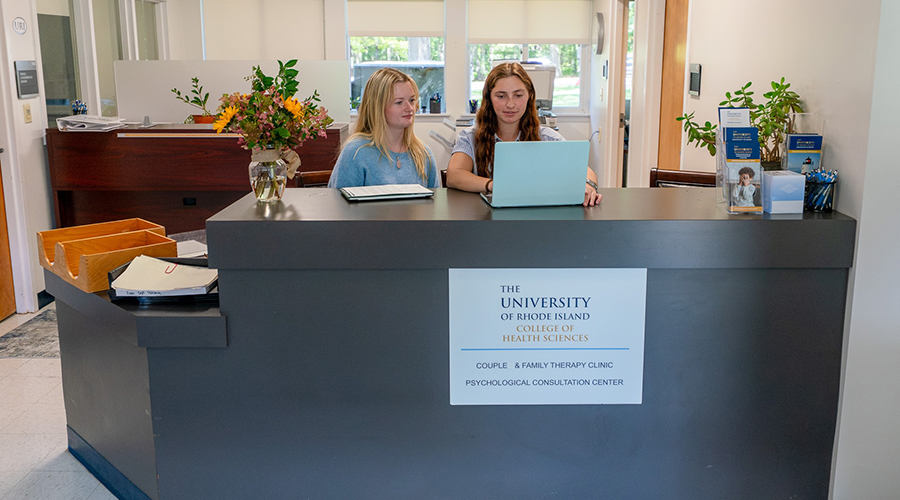 University of Rhode Island Adds Clinical Space
 How Retail Design Principles Can Improve Healthcare Wayfinding
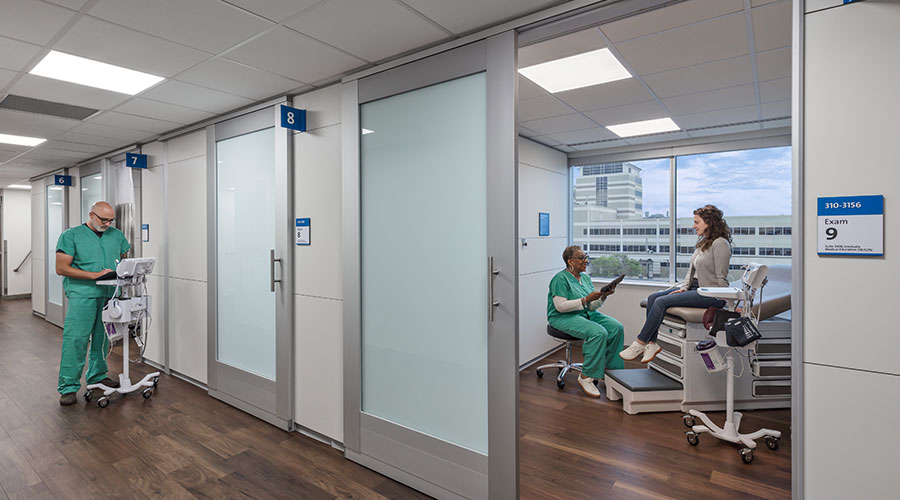 Flexible Design Strategies Help OhioHealth Maximize Clinical Space