
The traditional driving factors behind restroom renovations have been water conservation, lower maintenance costs, improved accessibility, and improved hygiene. The arrival of the coronavirus and COVID-19 has not lessened the importance of these goals, according to an article from Facility Maintenance Decisions on the FacilitiesNet website.
They have only increased the urgency of completing those renovations in order to ensure restrooms are as safe as possible for building occupants and visitors.
Restrooms already had been moving toward touchless operations, but while many of the goals of restroom renovations remain the same — COVID-19 is forcing managers to look at the operation of their restrooms in a different light.
They have increased the frequency of restroom cleaning and inspection. They have specified more effective cleaning chemicals to fight bacteria and viruses.
Read the full Facility Maintenance Decisions article.
 The Role of Biophilic Design in Healthcare Facilities
 TriStar Centennial Medical Center Invests $90M in Women, Children's Hospital Expansions
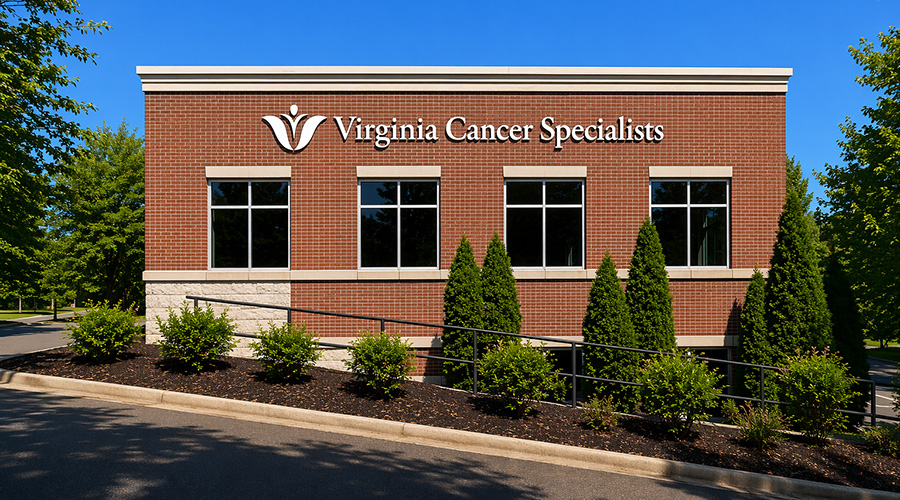 Virginia Cancer Specialists to Open Newly Expanded Fauquier Location
 Emergency Preparedness: Building a Stronger Community
 Ground Broken on Lavine Bekenstein Cancer Hospital in Massachusetts