
Aardvark Mobile Health, a division of experiential marketing company, Aardvark Mobile Tours, has pivoted in the pandemic to create fleets of state-of-the-art vehicles as an alternative to current vulnerable testing facilities and a new way to screen potential carriers of the virus.
The two patented trucks are uniquely designed to serve multiple purposes. The Aardvark testing trucks can quickly be deployed for safer and more efficient testing of underserved communities and hot spots while the Aardvark screening trucks are designed to conduct temperature checks and additional symptomatic screenings of people prior to entering any location with a large gathering such as office buildings, warehouses, military bases, convention centers, and sporting arenas in order to mitigate the risk of COVID-19 spread.
Aardvark Mobile Tours led innovation in the mobile retail landscape by allowing large brands such as Coca Cola and Nike to insert themselves into new markets and get in front of new customers. At the onset of the pandemic, founder and CEO Larry Borden realized he had the opportunity to do the same with testing and screening by providing the means for pharmacies, workplaces, event venues and more to meet people where they are. Aardvark Mobile Health aims to prioritize public health by assisting organizations with scalable and easy-to-access care.
June 23, 2020
Topic Area: Press Release
Recent Posts
 Harris Health to Build New Freestanding Cancer Center
The center is planned to open in 2029, following the opening of the new O'Quinn Hospital along the North Loop at Lockwood.
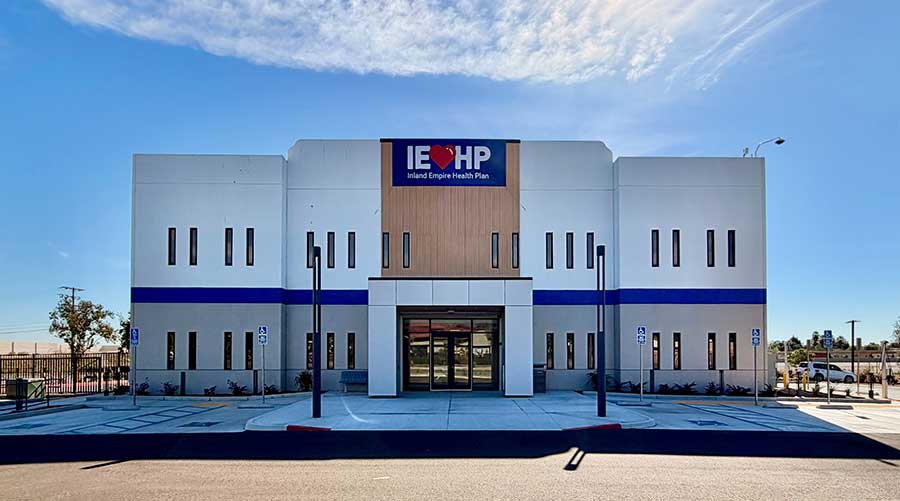 Inland Empire Health Plan Opens Expanded San Bernardino Community Wellness Center
The new 33,000-square-foot center is nearly three times the size of the original location off Second Street.
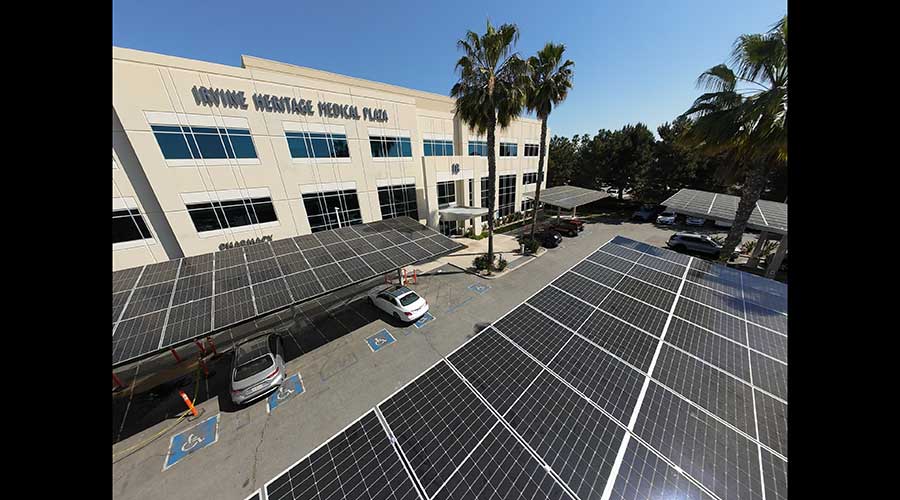 Rethinking Parking Lot Design at Irvine Heritage Medical Plaza
A new solar installation shows how healthcare facilities can improve parking amenities while boosting energy savings
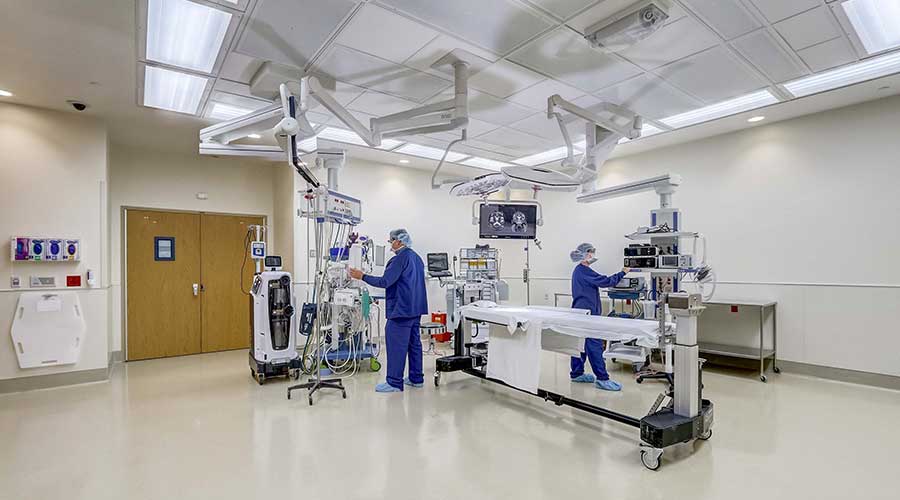 Repurposing Healthcare Spaces: 5 Critical Questions
Done well, converting existing spaces can trim upfront project costs by up to 40 percent, compared with ground-up construction
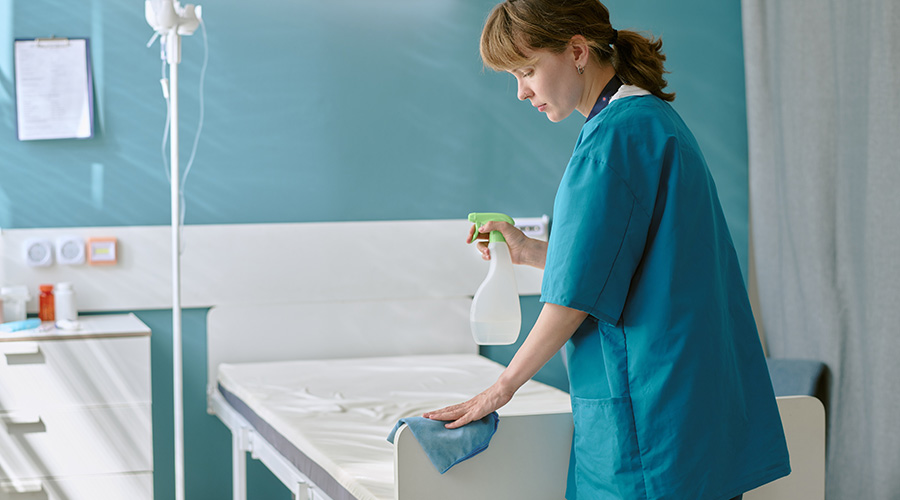 Disinfectant Contact Time: The Case for Biofilm Disruption
Contact time, while essential for compliance, does not reliably predict microbial reduction on actual healthcare surfaces.