
Many studies find that cleaning is a vital component of the intervention package required to reduce healthcare-associated infection (HAI). Enhanced cleaning is nearly always incorporated into an infection-control strategy in response to an outbreak.
Numerous reports detail cleaning as a major control component for outbreaks of norovirus, Methicillin-resistant Staphylococcus aureus (MRSA), C. difficile, Vancomycin-resistant enterococci (VRE), and drug-resistant Acinetobacter.
These pathogens thrive in dust and dirt in a warm hospital environment and easily contaminate surfaces and equipment, particularly during an outbreak. Extra cleaning following failed infection-control measures finally terminated an outbreak of EMRSA-16, with similar reports describing the need for enhanced cleaning for the termination of VRE and Acinetobacter outbreaks.
Disinfectant-based cleaning is performed routinely in environments exposed to patients with C. difficile, whether it is part of the management of sporadic cases or during an outbreak.
One study reported indistinguishable genotypes of norovirus from patient and environmental sources, including the detection of persistent virus in the environment following terminal cleaning. The authors found expected reservoirs near toilets and in restrooms but also on clinical equipment and throughout the bedside environment, such as furniture and privacy curtains.
The persistence of viral reservoirs will expose new patient admissions to norovirus, which could generate an outbreak. The persistence of bacterial pathogens also exposes new patients to enhanced infection risk, as aptly demonstrated by studies examining the residual contamination of rooms previously occupied by infected patients.
It is possible that high-risk surfaces in areas such as intensive care units require cleaning attention every four hours to control recontamination by specific pathogens, notably MRSA. Staff, patients and relatives habitually shed MRSA into the hospital environment, despite comprehensive attempts at removal.
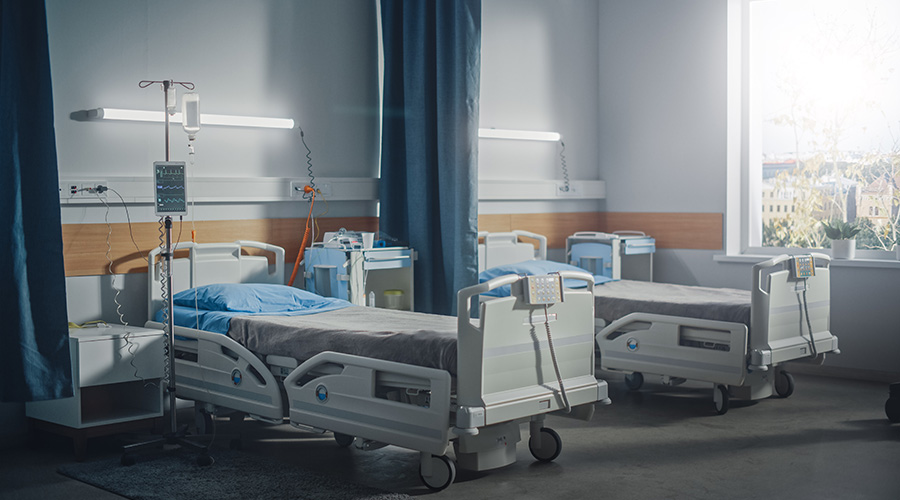
Some environmental surfaces are forgotten or ignored for various reasons. If the bedside table is covered with personal belongings, cleaning will be abandoned when staff are busy. Bed controls, nurse call buttons and bed rails are in constant use but rarely get cleaned during a patient’s stay. That is because the environmental services technician is concerned about applying a disinfectant and allowing a contact time of three to five minutes per label instructions.
The patient and staff touch the underside of the overbed table every day, but it is usually only the upper surface that gets wiped before and after mealtimes. An organism intent on accessing the gastrointestinal tract, such as C. difficile, would do well contaminating this particular site.
Non-critical items might be dedicated to a patient for the duration of stay and cleaned and disinfected upon discharge. When possible, isolation patients should be assigned dedicated equipment. If not assigned to one patient, non-critical items should be promptly and thoroughly cleaned and disinfected by the user between patients.
Visible soil must be removed from patient care equipment by the user as soon as possible and before disinfection. Mechanical action and full-surface coverage to remove microorganisms is important.
Patients deserve an environment that features clean and sanitary surfaces.
J. Darrel Hicks, BA, MESRE, CHESP, Certificate of Mastery in Infection Prevention, is the past president of the Healthcare Surfaces Institute. Hicks is nationally recognized as a subject matter expert in infection prevention and control as it relates to cleaning. He is the owner and principal of Safe, Clean and Disinfected. His enterprise specializes in B2B consulting, webinar presentations, seminars and facility consulting services related to cleaning and disinfection. He can be reached at darrel@darrelhicks.com, or learn more at www.darrelhicks.com.
 Achieving Better Treatment Spaces Through Co-Design
 Prisma Health to Acquire 36 Urgent Care Sites in South Carolina from Novant Health
 Modoc Medical Center Discloses Data Breach
 Creating Healthcare Campus Master Plans That Allow Movement and Respite
 Aspirus Health Celebrates Opening of Chippewa Falls Hospital and Clinic