
Commissioning is a key element of a green building program. In addition to making sure building elements such as heating, cooling, air handling, water and refrigeration systems work as they should, commissioning agents also work towards improved energy usage and reduced operation and maintenance costs, according o an article from Building Operating Management on the FacilitiesNet website.
Commissioning provides an additional set of eyes and ears throughout the design and construction process, catching deficiencies and resolving issues prior to building occupancy.
Commissioning experience shows that a handful of the same mistakes happen over and over again. These mistakes can be avoided. But as project schedules continue to tighten in order to meet aggressive construction timelines, and commissioning activities are often omitted since they are performed last. The result? Tests are never completed, reports aren’t finalized, equipment doesn’t operate quite right, and owners are left holding the bag.
One common mistake occurs when the mechanical system is not programmed properly.
 Sustainability as a Baseline in Healthcare Facilities
 Penobscot Valley Hospital Reports Data Security Incident
 Ballad Health Acquires Land for Future Unicoi County Hospital
 Why Healthcare Facilities Management Is Critical to Patient Safety
 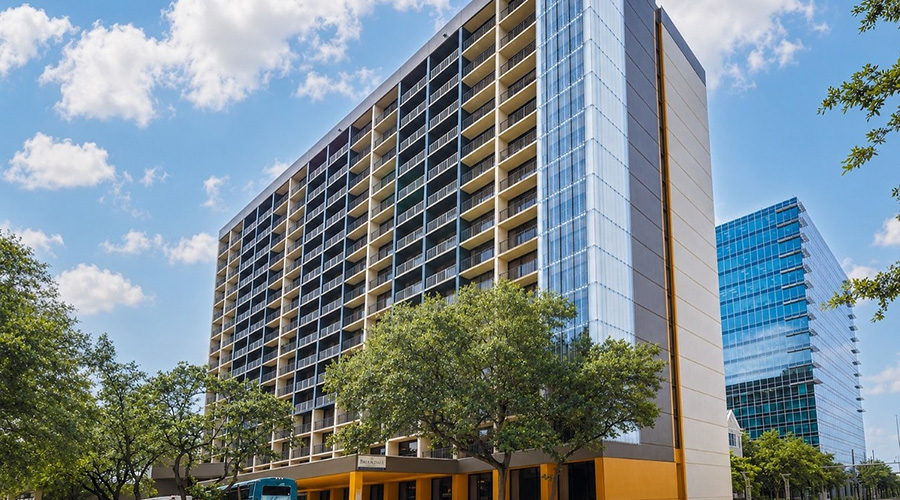 Brookdale Senior Living Announces Acquisition of the Brookdale Galleria Community