
The COVID-19 pandemic continues to rage across the nation, taxing the resources of hospitals and other healthcare facilities caring for patients and distributing vaccines. Despite the challenges and burdens of coping with the health crisis — or perhaps because of it — hackers and cyberattacks have seized the opportunity to expand their activity.
Cyberattacks on web applications tied to the healthcare sector increased by 51 percent since the start of COVID-19 vaccine distribution in December, according to Healthcare IT Security. The finding is contained in a new report from Imperva Research Labs, whose cloud network gathers data to compile its Cyber Threat Index that researchers use to monitor and analyze threat activity.
In December 2020 alone, hackers leveraged a range of techniques to target vulnerable healthcare entities. The largest targeted facilities were found in the US, Brazil, the UK, and Canada.
Specifically, the data found an increase in the volume of four key attack areas, led by a 43 percent spike in cross-site scripting (XSS) attacks in December. The second-largest volume of attacks were SQL injections, which increased by 44 percent.
Click here to read the article.
 Sustainability as a Baseline in Healthcare Facilities
 Penobscot Valley Hospital Reports Data Security Incident
 Ballad Health Acquires Land for Future Unicoi County Hospital
 Why Healthcare Facilities Management Is Critical to Patient Safety
 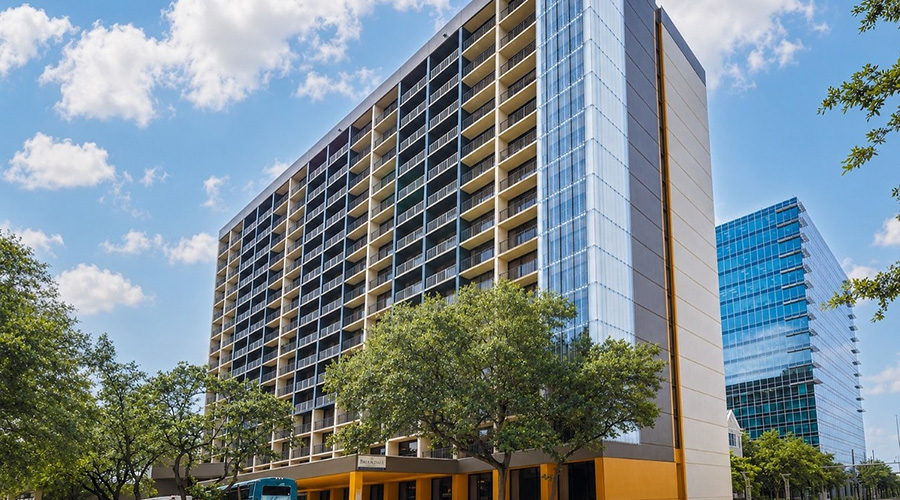 Brookdale Senior Living Announces Acquisition of the Brookdale Galleria Community