
As if COVID-19 enough. The pandemic’s second wave is prompting health care organizations to take a range of steps to deal with the rising tide of new cases, from upgrading HVAC systems and air filtration practices to curtailing revenue-generating elective surgeries. For as challenging as these measures are, officials also must face the growing reality that their organizations are targets of cyberattacks.
U.S. hospitals were targeted by two major cybersecurity attacks this fall. The first took down the Universal Health Services chain of hundreds of hospitals, and the second by a group called UNC1878 threatened hundreds of individual health care facilities nationwide, according to The Verge. Targeting health care institutions directly marks a new approach for cybercriminals.
Many large-scale cyberattacks on hospitals in recent years have been incidental. A piece of ransomware happens to get into a hospital. That’s what happened to the United Kingdom’s National Health Service in 2017 when the WannaCry cyberattack hit organizations worldwide.
The latest two attacks were intentionally made on hospitals, which are appealing targets during the COVID-19 pandemic because institutions can not afford to be offline while they try to extricate themselves from ransomware. Some cybercrime groups pledged not to target hospitals during the pandemic, but attacks on health care facilities doubled in the second half of 2020. Most health care institutions are unprepared for cyberattacks, and the pandemic could make things worse.
Click here to read the article.
 Elevating EVS Professionals: The Case for Certified Hygiene Specialists
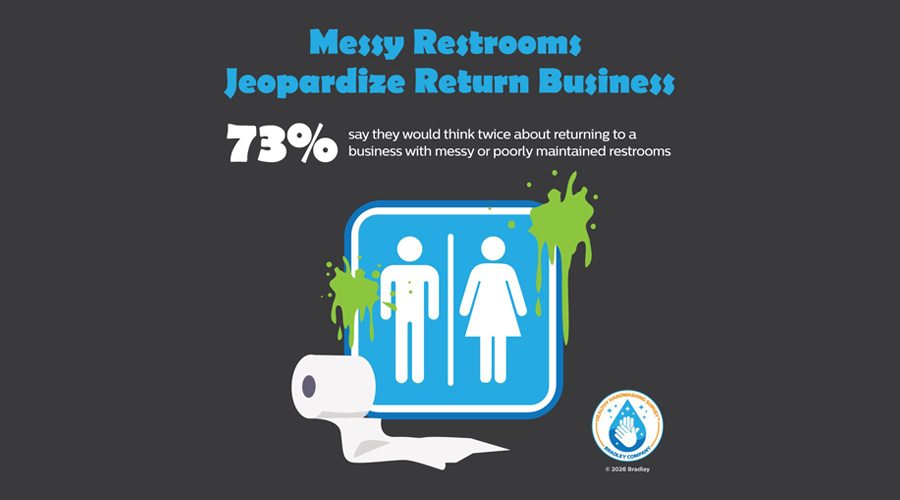 Global Handwashing Day and the Importance of Well-Maintained Restrooms
 Duke Health and CaroMont Health Partner to Develop Two New Hospitals
 Designing for the Psychology of Waiting
 UT Health Sciences Breaks Ground on College of Medicine Interdisciplinary Building