
The senior living design industry’s task is to create communities that offer people something they can’t get at home: vibrant social and learning opportunities and ample activity choices, that allow people to thrive long after their abilities change with age, according to an article from Building Operating Management on the FacilitiesNet website.
As the preferences of seniors change, owners, managers, and developers are defining new types of senior living in different kinds of settings, tailored to resident desires.
As new models come on the market and resident preferences change, the buildings themselves must also adapt. The market tends to fluctuate in two ways — change in levels of residents’ care needs and change in resident desires, in desires for either the type of apartment or the type of amenities.
Building flexibility into resident apartments and functional spaces will help communities adjust to changing market conditions.
 Cyberattack Results in Patient Reroutes at Anne Arundel Medical Center
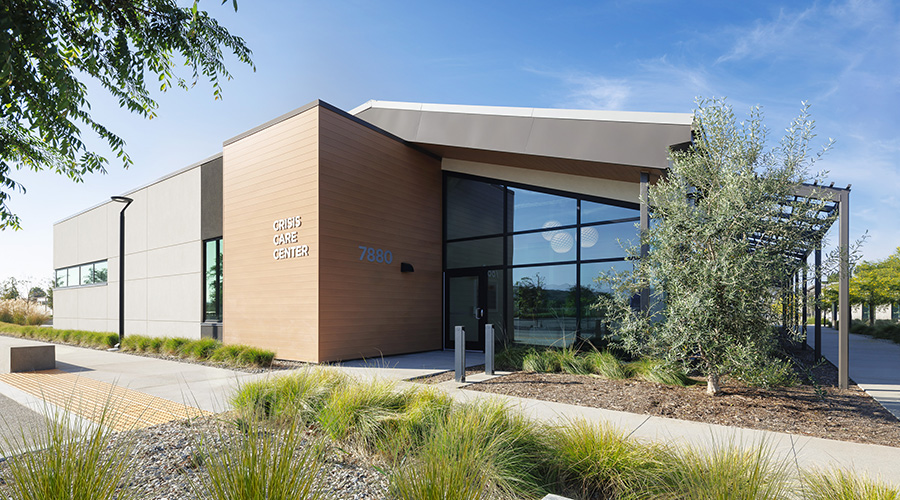 Tangram Furnishes Be Well OC Irvine Behavioral Health Campus
 Suntree Internal Medicine Reports Data Breach
 Why Healthcare Facilities Management Is Critical to Patient Safety
  Sanford Health and North Memorial Health Finalize Partnership