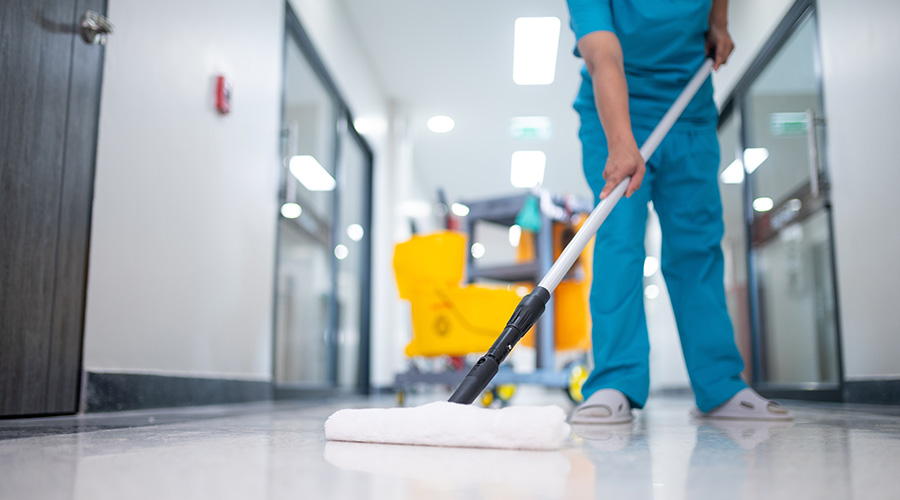
Controlling the spread of infection in healthcare facilities requires an in-depth, standardized process. Environmental services (EVS) staff must engage in proper hand hygiene, utilize the appropriate cleaners and disinfectants and ensure everything is done in a timely and correct manner. Some facilities that feel confident in their infection control programs may be overlooking a major component.
The Science of Contaminated Floors
Researchers have found that pathogens rapidly accumulate on patient room floors, which are frequently neglected because they are not considered high-touch surfaces. Multiple studies point to floors being heavily contaminated with bacteria, including Staphylococcus aureus (MRSA), vancomycin-resistant Enterococcus (VRE) and Clostridioides difficile (C diff).
One study from the American Journal of Infection Control found that C diff was most commonly found on floors, testing positive in over 50 percent of patient rooms where the patient had C diff. Another study from Infection Control & Hospital Epidemiology investigated environmental contamination with C diff spores. They discovered that floors were twice as likely to be contaminated as bedrails. Floors also had 16 times more spores than bedrails.
While floors are not frequently touched by hand, pathogens can still be transferred to other surfaces. Researchers found that there was moderate to high potential for contamination. One other study from the American Journal of Infection Control found that 41 percent of rooms had at least one high-touch object in contact with the floor, including personal items, medical devices and bed linens or towels. When such objects were discovered, they were inspected for contamination rates with hands or gloves. MRSA had a rate of 18 percent, VRE six percent and C diff three percent.
Related Content: Building a Culture of Infection Prevention
Another study from the Cambridge University Press confirmed that bacteria could be transferred from floors to bedsheets. Bacteria on floors can transfer to patients' socks or footwear, which they then unwittingly transfer to bedsheets by climbing into bed after walking on the floor.
From Bottom to Top: Floor Hygiene’s Impact on Air Contamination
Dirty floors do not just transfer to beds and towels; they can re-disperse into the air. Studies found that a significant portion of airborne bacteria in intensive care units were from the floor. Bacteria are redispersed by walking, mopping and air blowing on the floor (i.e., facility ventilation). Walking was found to be the most impactful, over three times higher than air blowing and 17 times higher than mopping.
Another factor could be the type of cleaning products being used. Air contamination was higher after a neutral cleaner was used on floors than when using a disinfectant. This study from the Journal of Hospital Infection compared floor cleaning methods: dry mopping, spray mopping (spraying detergent solution on the floor and then mopping), moist mopping (prewetted flat mop) and wet mopping (high amount of detergent solution applied to floor followed by dry mopping to pick up excess liquid). While every method increased the number of bacteria in the air, moist and wet mopping redispersed less than the other two methods.
The Bottom Line
EVS teams must pay attention to floors when cleaning patient rooms. While high-touch areas should be prioritized, it’s important to recognize how easily bacteria can be transferred to high-touch surfaces and objects. Many of the bacteria found on floors are responsible for healthcare-associated infections (HAI), an issue that continues to trouble facilities across the country.
Elisa Miller is an assistant editor for CleanLink.com, Contracting Profits, Facility Cleaning Decisions, and Sanitary Maintenance.
 Extreme Weather: The Maintenance-Resilience Link
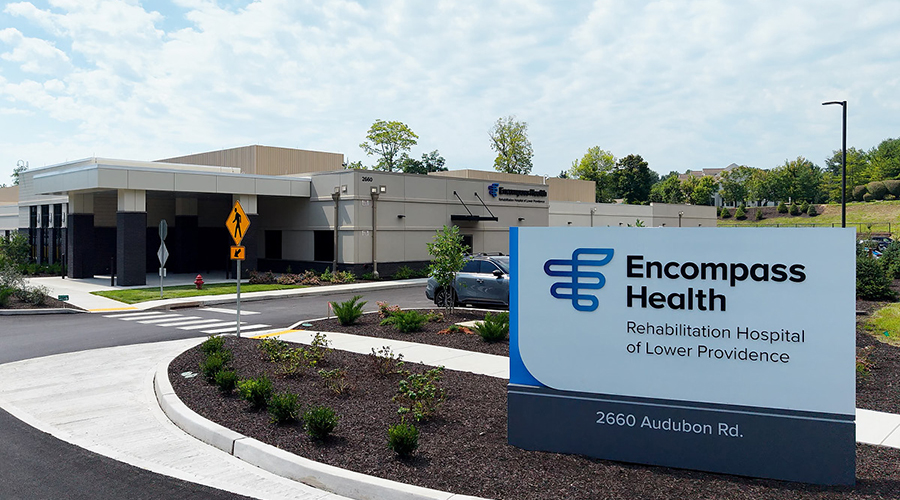 Encompass Health Lower Providence Opens in Pennsylvania
 Intermountain Health Acquires Fairbourne Building for Healthcare Hub and Medical Campus Conversion
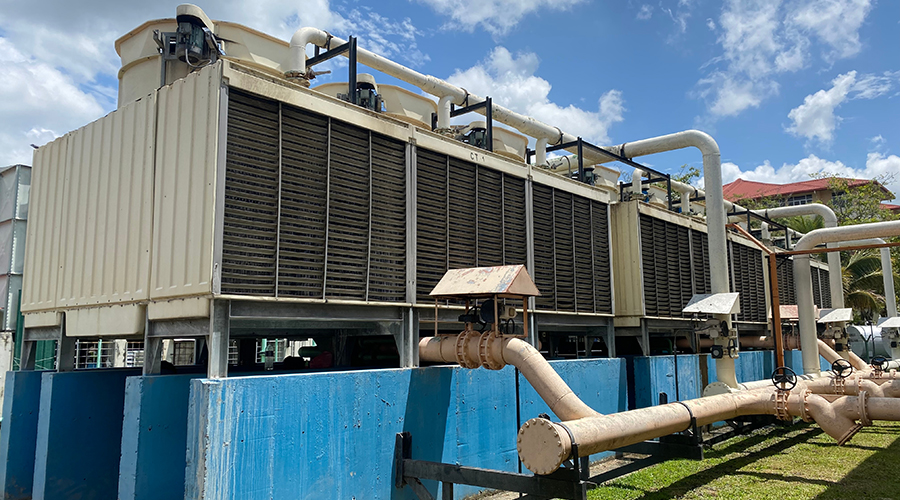 Cooling Towers at NYC Health + Hospitals/Lincoln Test Positive for Legionella
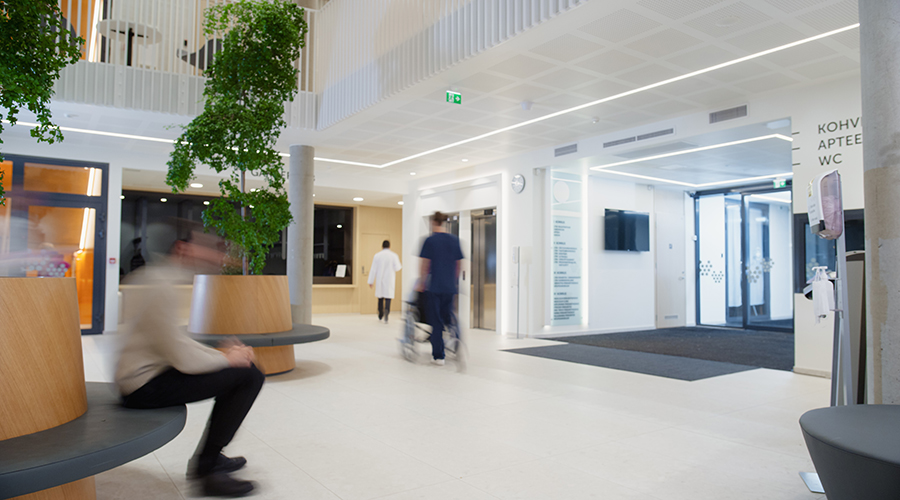 Prefabricated Wall Panels Accelerate UCF Lake Nona Medical Center Construction