
Environmental services professionals play a growing role in fighting hospital-acquired infections because organisms that are difficult to kill and impossible to treat make environmental cleaning more important for the safety of patients, according to a blog on the Centers for Disease Control and Prevention (CDC) website.
While hand hygiene remains the most important infection prevention and control measure, the role of the care environment in preventing the transmission of harmful pathogens is becoming increasingly clear, the blog said.
"Germs such as Clostridium difficile, hepatitis B virus, methicillin resistant Staphylococcus aureus, and emerging threats such as Ebola virus cannot thrive when we have taken proper steps to remove them from the environment," according to the blog.
CDC’s Guidelines for Environmental Infection Control in Health-Care Facilities and AHE’s Practice Guidance for Environmental Cleaning 2nd Edition both highlight the implementation of evidence-based practices.
 Going Solar with No Upfront Costs
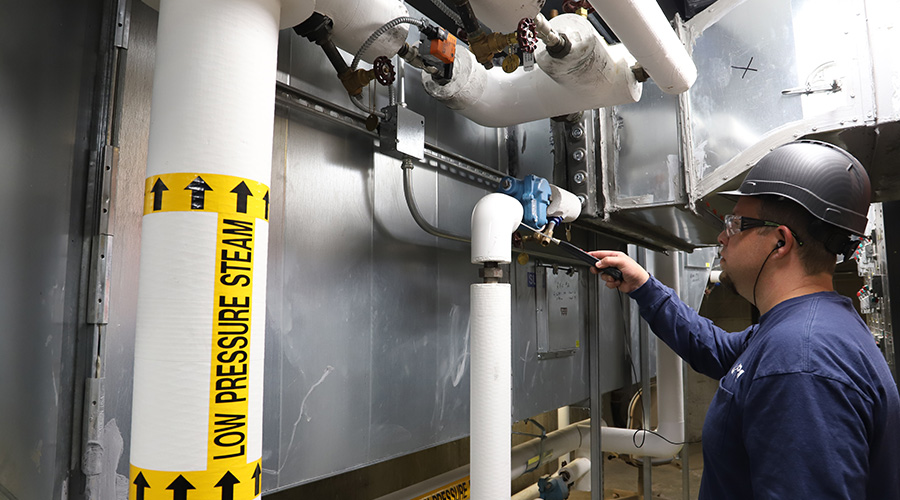 Northwell Health Finds Energy Savings in Steam Systems
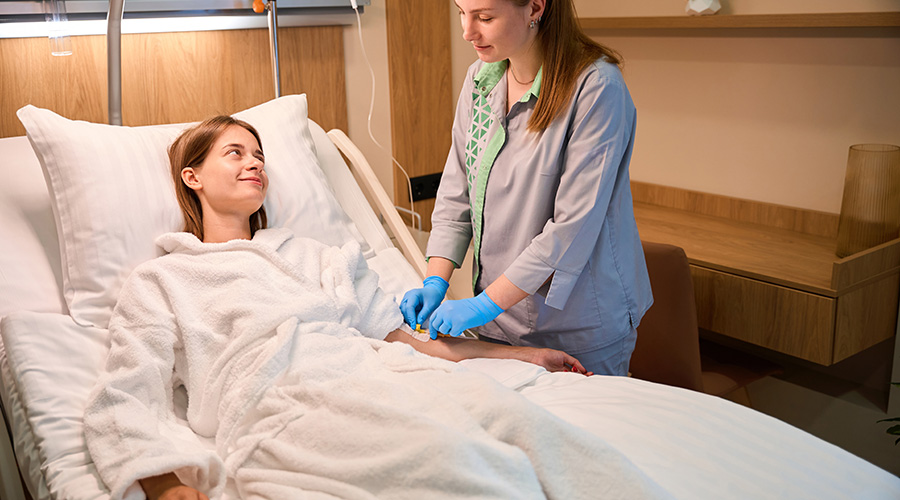 Endeavor Elmhurst Hospital Opens New 16-Bed Patient Observation Unit
 Sustainability as a Baseline in Healthcare Facilities
 Penobscot Valley Hospital Reports Data Security Incident