Key Takeaways:
- High-touch surfaces can harbor pathogens for extended periods, making thorough, consistent cleaning an important part of preventing infection transmission.
- Certified hygiene specialists need training in cleaning and disinfection protocols, chemical safety, cross-contamination prevention and measuring results.
- Organizations can strengthen infection prevention by fairly supporting EVS professionals and using cleaning audits to improve processes—not punish workers.
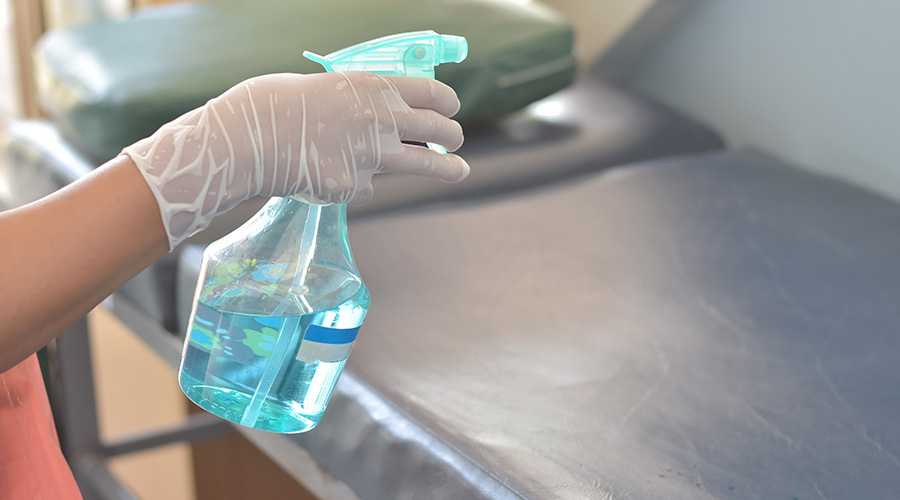
Simple cleaning of environmental surfaces might become one of the most important defenses in the future battle against infectious disease in hospitals, long-term care, schools, public buildings and community settings. While vaccines, antibiotics and advanced medical technologies remain essential, the basic act of removing contamination from common touchpoints is increasingly recognized as a frontline public health intervention.
This is especially urgent as antibiotic-resistant organisms continue to proliferate. Pathogens can survive on surfaces far longer than many people realize. Some organisms persist on bed rails, door handles, call buttons, counters, light switches, mobile equipment and other high-touch surfaces for weeks or months, and in some cases up to a year.
When hands contact these contaminated surfaces, microorganisms can move quickly from the environment to patients, staff and visitors. In this way, the built environment becomes part of the chain of infection.
For too long, cleaning has been viewed as a low-skill support service rather than a science-based infection prevention function. That mindset must change.
Workers cleaning patient rooms, disinfecting waiting areas or maintaining public restrooms are not simply improving appearance. They are reducing bioburden, interrupting transmission pathways and protecting human health. In the era of emerging pathogens and antimicrobial resistance, environmental services (EVS) professionals deserve recognition, education and professional standards that match the importance of their work.
HFT Recommends: The Disconnect Between EVS and Clinical Teams
The time has come to develop and support the role of the certified hygiene specialist (CHS). A CHS would be trained not only in cleaning techniques but also in the principles of disease transmission, surface contamination, disinfectant selection, dwell time, personal protective equipment, hand hygiene, cross-contamination prevention and measurement of cleaning effectiveness. Certification would move cleaning from a task-based occupation to a competency-based profession with earnings to match their skills.
This shift is essential because effective cleaning is not just about using stronger chemicals. In fact, misuse of disinfectants can create safety risks for workers, damage surfaces and provide a false sense of protection.
Properly trained CHSs understand when to clean, when to sanitize and when to disinfect. They know that organic soil must often be removed before disinfection can work. They understand that microfiber systems, color-coded tools, validated processes, safe chemical handling and clear protocols all matter. They also understand that every room and surface does not carry the same risk, so cleaning must be targeted, consistent and measurable.
Measurement is another critical part of the future of hygiene. Visual inspection alone is not enough. A surface can look clean and still harbor dangerous contamination. Tools such as fluorescent markers, ATP testing, microbial sampling and digital auditing systems can help organizations evaluate whether EVS workers are performing cleaning processes effectively. These tools should not be used to punish workers but to improve training, identify process gaps and validate results.
EVS managers also have a responsibility. Infection prevention will only become a reality when cleaning professionals are properly regarded, fairly compensated, adequately staffed and equipped with best-in-class tools. Hospitals and public health institutions must include hygiene specialists in infection prevention planning, product selection and outbreak response.
The future of infection control will not be won by technology alone. It also will depend on skilled professionals performing essential work with knowledge, precision and pride. By elevating cleaning professionals to certified hygiene specialists, EVS managers strengthen one of the most practical and powerful defenses against infectious disease.
J. Darrel Hicks, BA, MESRE, CHESP, Certificate of Mastery in Infection Prevention, is the past president of the Healthcare Surfaces Institute. Hicks is nationally recognized as a subject matter expert in infection prevention and control as it relates to cleaning. He is the owner and principal of Safe, Clean and Disinfected. His enterprise specializes in B2B consulting, webinar presentations, seminars and facility consulting services related to cleaning and disinfection. He can be reached at darrel@darrelhicks.com, or learn more at www.darrelhicks.com.
 Global Handwashing Day and the Importance of Well-Maintained Restrooms
 Duke Health and CaroMont Health Partner to Develop Two New Hospitals
 Designing for the Psychology of Waiting
 UT Health Sciences Breaks Ground on College of Medicine Interdisciplinary Building