
The bottom-line challenges brought on by the COVID-19 pandemic have upped the ante for facility managers to find savings, productivity and efficiency in their operations wherever they can. In this environment, energy-efficiency upgrades with relatively short payback periods are likely to get a closer look than managers might expect. The effort won’t be easy, however.
Improving energy efficiency in any healthcare facility is challenging. The complex systems, high levels of energy usage, 24-hour operations, and regulations and standards of care distinguish these buildings from other facilities. Payback on healthcare projects also must be fast, and facilities projects often compete for funds against other more profitable projects, such as medical equipment acquisitions. These difficulties are compounded In multi-facility health care systems when the features and elements of buildings in a portfolio span a wide range, according to Health Facilities Management.
Energy managers in these systems have to take both a broad view about long-term, systemwide energy-use goals and a more focused perspective that considers the needs, capabilities and potential of individual buildings.
These managers must grapple with the challenges inherent in overseeing large, diverse networks while also recognizing the many energy-savings opportunities that a range of facilities can offer. But the challenges of energy management in these buildings can be reframed as opportunities for substantial energy-efficiency gains. Managers can focus more on central plants because it is a 24/7 operation, so any change isn’t just saving energy during a 12- or 18-hour period. It is saving 24 hours a day and has a greater impact.
Click here to read the article.
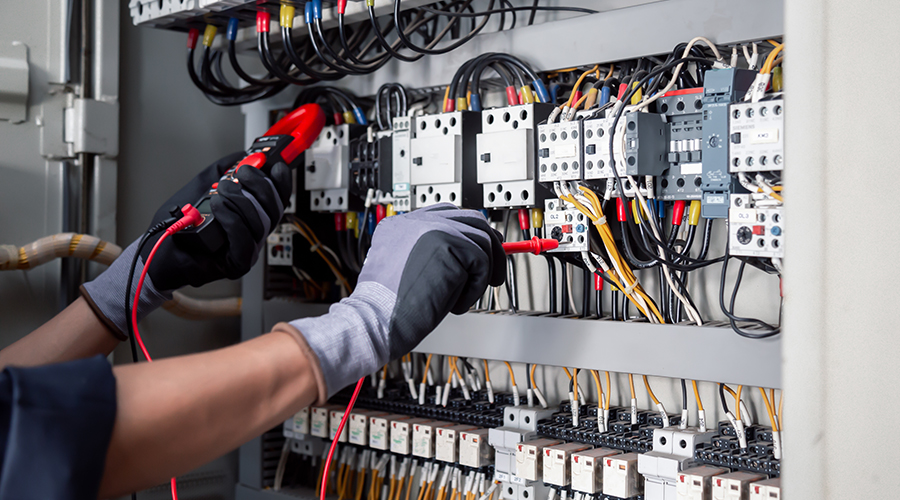 Extreme Weather: The Maintenance-Resilience Link
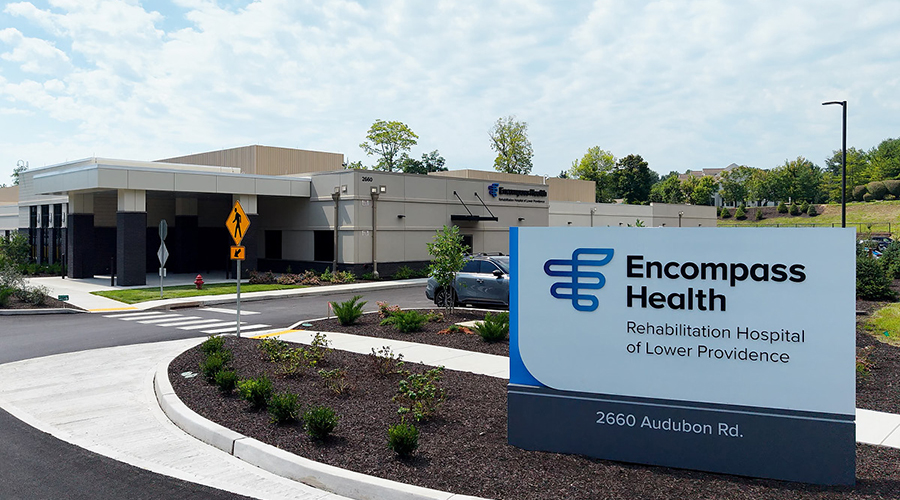 Encompass Health Lower Providence Opens in Pennsylvania
 Intermountain Health Acquires Fairbourne Building for Healthcare Hub and Medical Campus Conversion
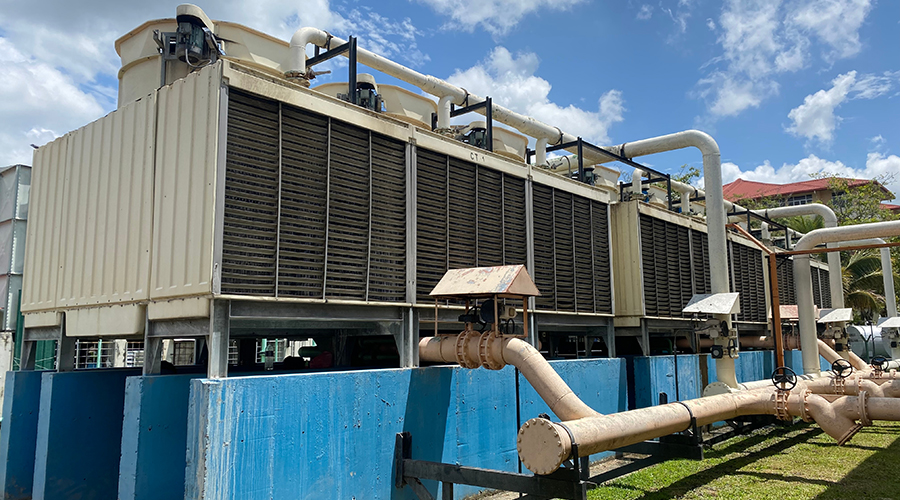 Cooling Towers at NYC Health + Hospitals/Lincoln Test Positive for Legionella
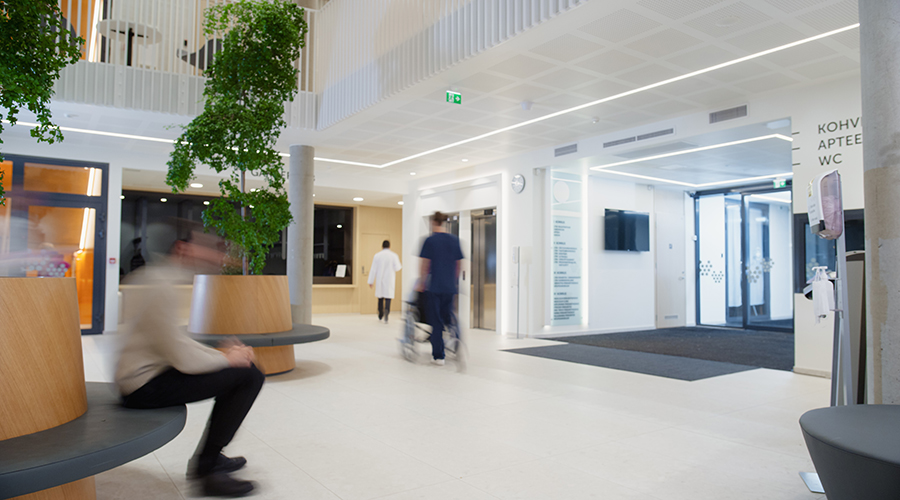 Prefabricated Wall Panels Accelerate UCF Lake Nona Medical Center Construction