
In a Consulting-Specifying Engineer article, a group of engineers review codes and standards from the NFPA and Facility Guidelines Institute.
CSE: Meeting codes/standards is often one of the biggest challenges engineers face. What challenges have you recently overcome in a particular jurisdiction or project?
We have been educating owners on the requirement formerly in the NFPA for windowless anesthetizing locations. The NFPA removed it in the 2012 code cycle. Centers for Medicare & Medicaid Services (CMS) has recommended keeping it in health care facilities if the facility believes there is a risk for fire in operating rooms or other anesthetizing locations, said Nolan Rome, Senior Vice President, WSP | Parsons Brinckerhoff Co., Phoenix.
Some state health authorities interpret this as a requirement that an evacuation system has to be provided despite being removed from the code. We are assisting many owners' teams to interpret the risk level so they can develop the appropriate plans and response.
 Why Healthcare Facilities Management Is Critical to Patient Safety
 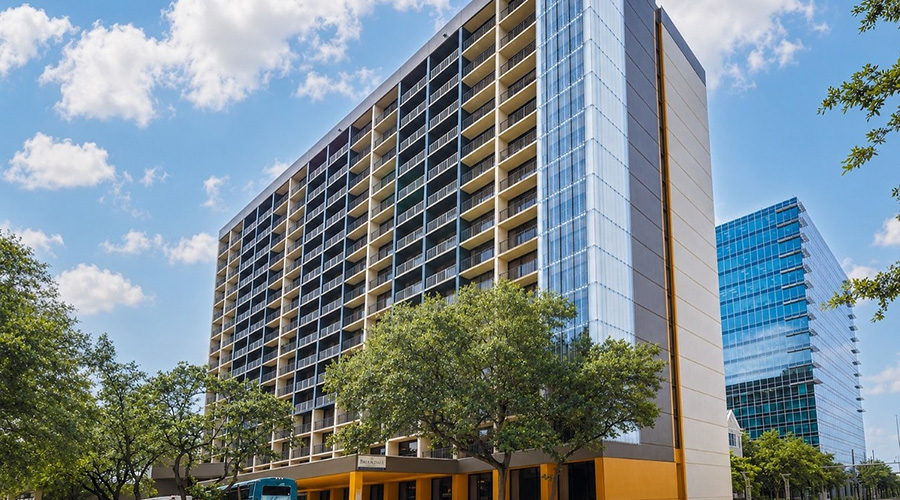 Brookdale Senior Living Announces Acquisition of the Brookdale Galleria Community
 Erlanger Health System Falls Victim to Data Breach
 Technological Readiness: The Missing Construction Milestone
 From Cooling Towers to Cost Savings: Hospital Seizes Power-Saving Opportunity