
In healthcare, interior design has moved beyond just materials to consider elements like wayfinding, biophilia, natural light, and more, according to an article from Building Operating Management on the FacilitiesNet website.
Even more important, however, is to think about how those elements combine to create a healing experience for patients, visitors, and staff. That experience is driven most by four factors — people, process, place, and technology — all of which have an impact on interior design.
For instance, an outstanding experience is one that uniquely responds to the physical, cognitive, and emotional needs of the diverse population of users who experience a space, which, in a healthcare environment, typically means patients, family, and staff.
Healthcare environments should address those needs in a way that is supportive, enabling, inspiring, and dignifying.
 Cooling Towers at NYC Health + Hospitals/Lincoln Test Positive for Legionella
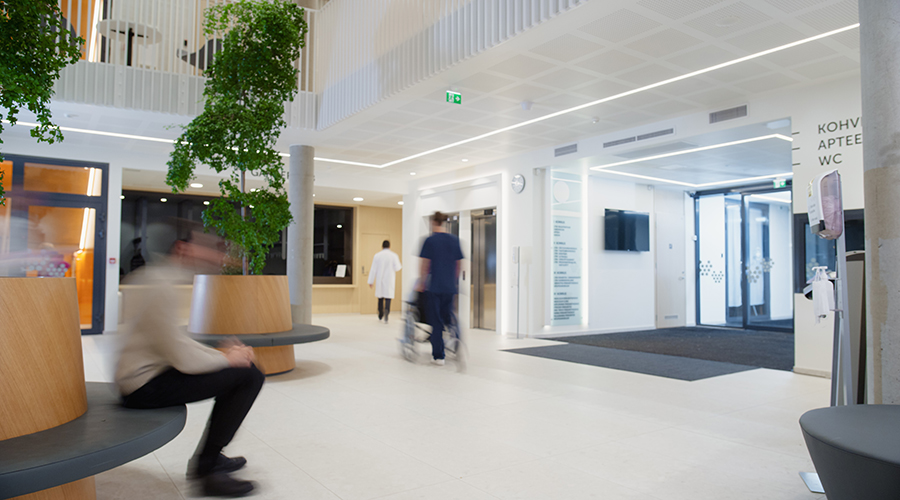 Prefabricated Wall Panels Accelerate UCF Lake Nona Medical Center Construction
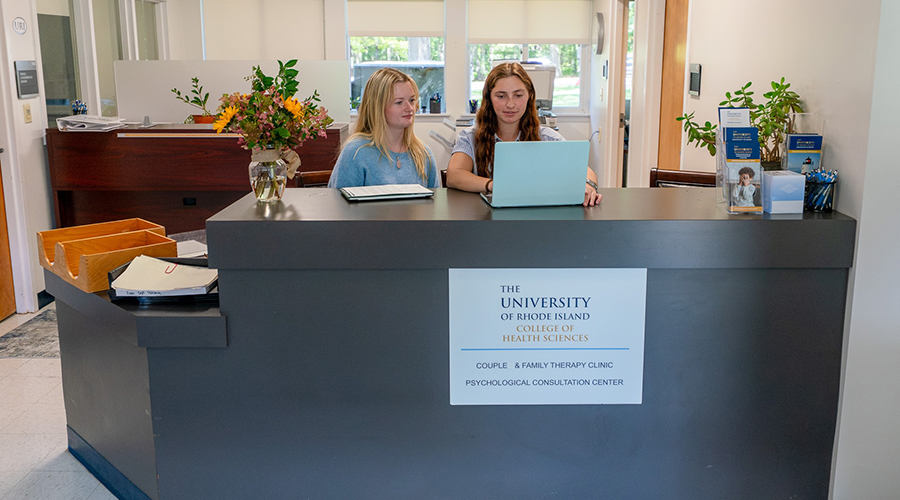 University of Rhode Island Adds Clinical Space
 How Retail Design Principles Can Improve Healthcare Wayfinding
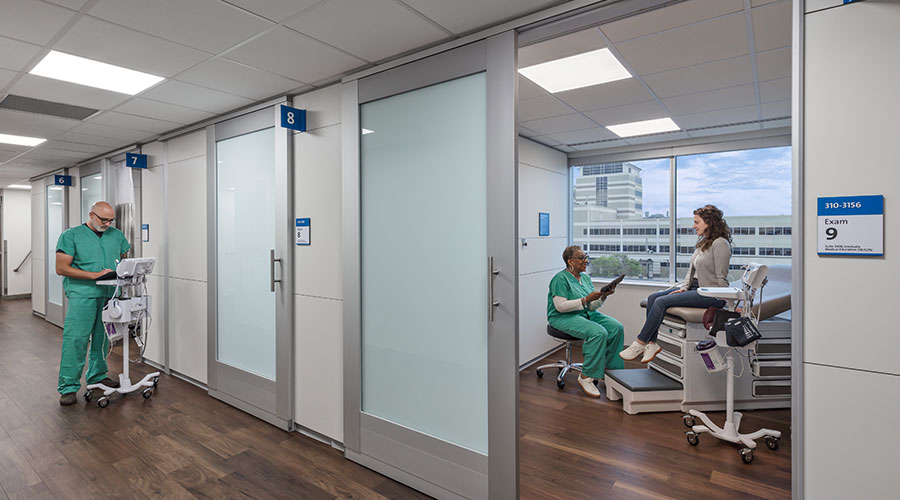 Flexible Design Strategies Help OhioHealth Maximize Clinical Space