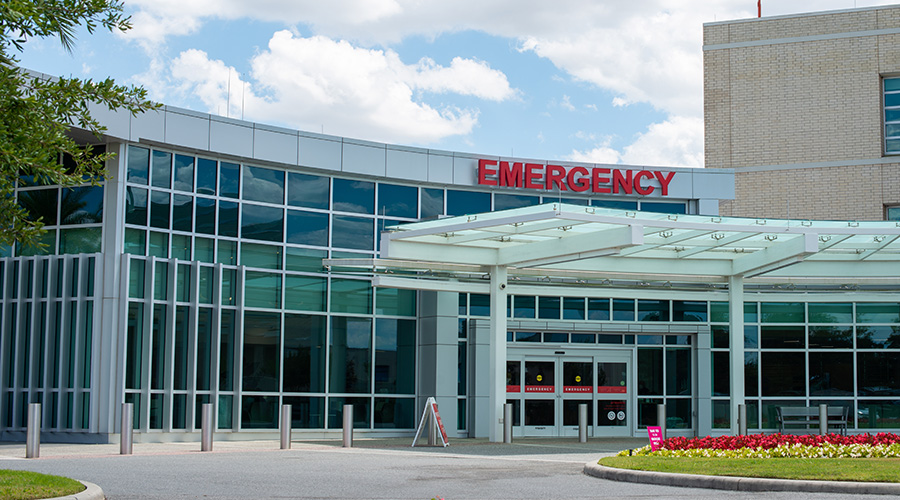
Emergency departments (ED) are continuing to deal with surging admission rates that began during the Covid-19 pandemic. Patients have longer wait times, while healthcare staff have more to do with fewer resources. One of the most significant consequences of this overcrowding is declining cleanliness scores.
Because the ED is often the first point of entry for patients, it also forms their first impressions. The remainder of their experience may be based on those initial impressions, and cleanliness is a major factor.
Researchers confirmed in a CleanLink report that cleanliness of the ED was the third most impactful element on patient experience surveys, behind wait times and comfort of waiting areas. They also found that patient experience scores for ED admissions were up to 30 percentile points less than those admitted directly to the hospital.
Hospitals must strategically manage environmental services staff (EVS) in EDs to ensure they are improving patient experience, not deflating it. The facilities’ overall reputation and financial status are affected by patient perception, and it requires all hands-on deck to provide a positive experience.
Measuring, Surveying, and Training
There are several ways to improve cleanliness in the ED and optimize an EVS team. A common first step is to survey EVS staff to measure their current effect on patient experience. These may ask how comfortable staff are with patient interaction: are there language barriers? Does their need to be better scripting support? They can also determine staff knowledge of cleaning practices and infection control, as well as morale and job satisfaction.
Related Content: Contaminants Under Foot: A Closer Look at Patient Room Floors
Management must also have a strong understanding of the patient’s side. The Hospital Consumer Assessment of Healthcare Providers and Systems (HCAHPS) survey is the standardized national measurement of patient experience. As the primary survey tool across the country, it serves as a baseline of patient satisfaction.
Analyzing the results of both studies can generate an action plan that might include training in customer service, best cleaning practices, equipment, and how to assess cleanliness.
Creating Roles
Researchers discovered that appointing two distinct roles on EVS teams has improved cleanliness, patient perception of cleanliness, and overall patient experience scores.
The first is what they call a “room refresher.” A room refresher provides more thorough and engaging daily cleans of rooms while increasing the awareness of housekeeping efforts. They are directly interacting with patients and family, creating expectations by providing quality cleaning services in a highly visible manner.
The other is a concierge. This person works in waiting areas and is also highly visible to patients. They remove trash, wipe down seats, maintain the room, sanitize wheelchairs, and provide information about amenities and activities.
Best Practices
Researchers also recommend a few key strategies in managing peak volumes and increasing patient experience:
- Focus on patient comfort with proactive room visits and increased daily cleaning for those who have been waiting for over six hours.
- Identify high-traffic areas and allocate resources appropriately
- Continuously communicate with patients to pinpoint sources of frustration, predict their needs, and find solutions.
- Assign individuals to lead patient visitations, service recovery, and engage in more meaningful interactions
Elisa Miller is an assistant editor for CleanLink.com, Contracting Profits, Facility Cleaning Decisions, and Sanitary Maintenance.
 The Role of Biophilic Design in Healthcare Facilities
 TriStar Centennial Medical Center Invests $90M in Women, Children's Hospital Expansions
 Virginia Cancer Specialists to Open Newly Expanded Fauquier Location
 Emergency Preparedness: Building a Stronger Community
 Ground Broken on Lavine Bekenstein Cancer Hospital in Massachusetts