
When COVID-19 struck in March, hospitals, schools and even restaurants shut down their food programs. Not senior living facilities. They remained at high capacity, and many dealt with large outbreaks of the coronavirus on their campuses.
To deal with those outbreaks, dining operations had to change, according to Food Management. On campuses that once teemed with activities and community-building, residents were sequestered. Communal dining shut down, but dining services did not. Managers found new ways to engage with residents, from room service to bar and ice cream carts.
For example, when Kisco Senior Living implemented room service meals to residents across its 20 senior living communities, managers discovered it would spend more than $170,000 a month on disposable containers while generating more than 3,000 cubic feet of Styrofoam waste each day.
Then managers found a line of eco-friendly meal containers from G.E.T. Enterprises. Kisco purchased three types of containers for each resident — a three-compartment model for serving entrees with components, one for side dishes or desserts and one for soups. The containers are washable, BPA free, non-toxic and microwave safe, and can be used about 1,000 times before being compromised.
Click here to read the article.
 Emergency Preparedness: Building a Stronger Community
 Ground Broken on Lavine Bekenstein Cancer Hospital in Massachusetts
 Camden-on-Gauley Medical Center Reports Data Security Incident
 Elevating EVS Professionals: The Case for Certified Hygiene Specialists
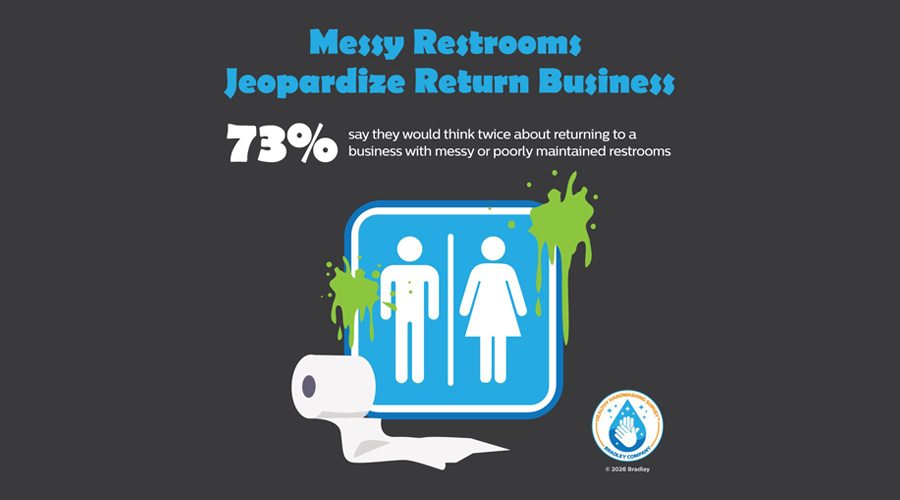 Global Handwashing Day and the Importance of Well-Maintained Restrooms